
Julius van de Laar: What Radio Can Learn from Trump-Era Politics
Few people understand the mechanics of modern campaigning like Julius van de Laar. A political strategist and communications expert with hands-on experience at the very centre of global power shifts, van de Laar has spent his career studying how movements are built, emotions are activated, and audiences are mobilised.
His career began on the frontline of political history. During the 2008 and 2012 US presidential elections, van de Laar worked on Barack Obama’s winning campaigns across nearly a dozen states. At a time when digital media was transforming politics, he helped combine traditional grassroots campaigning with emerging online strategies to reach voters, raise money, and build lasting supporter networks. The result wasn’t just electoral success – it was a blueprint for modern campaigning.
Since then, van de Laar has advised political parties, candidates, NGOs and organisations across Europe, including serving as a senior strategist to Germany’s Democratic Party. His work focuses on strategy, messaging, and digital communication – helping leaders not only win attention, but turn it into belief, loyalty and action.
Alongside his consulting work, he is a familiar voice on TV and radio, analysing current political events and explaining why certain messages land while others fail.
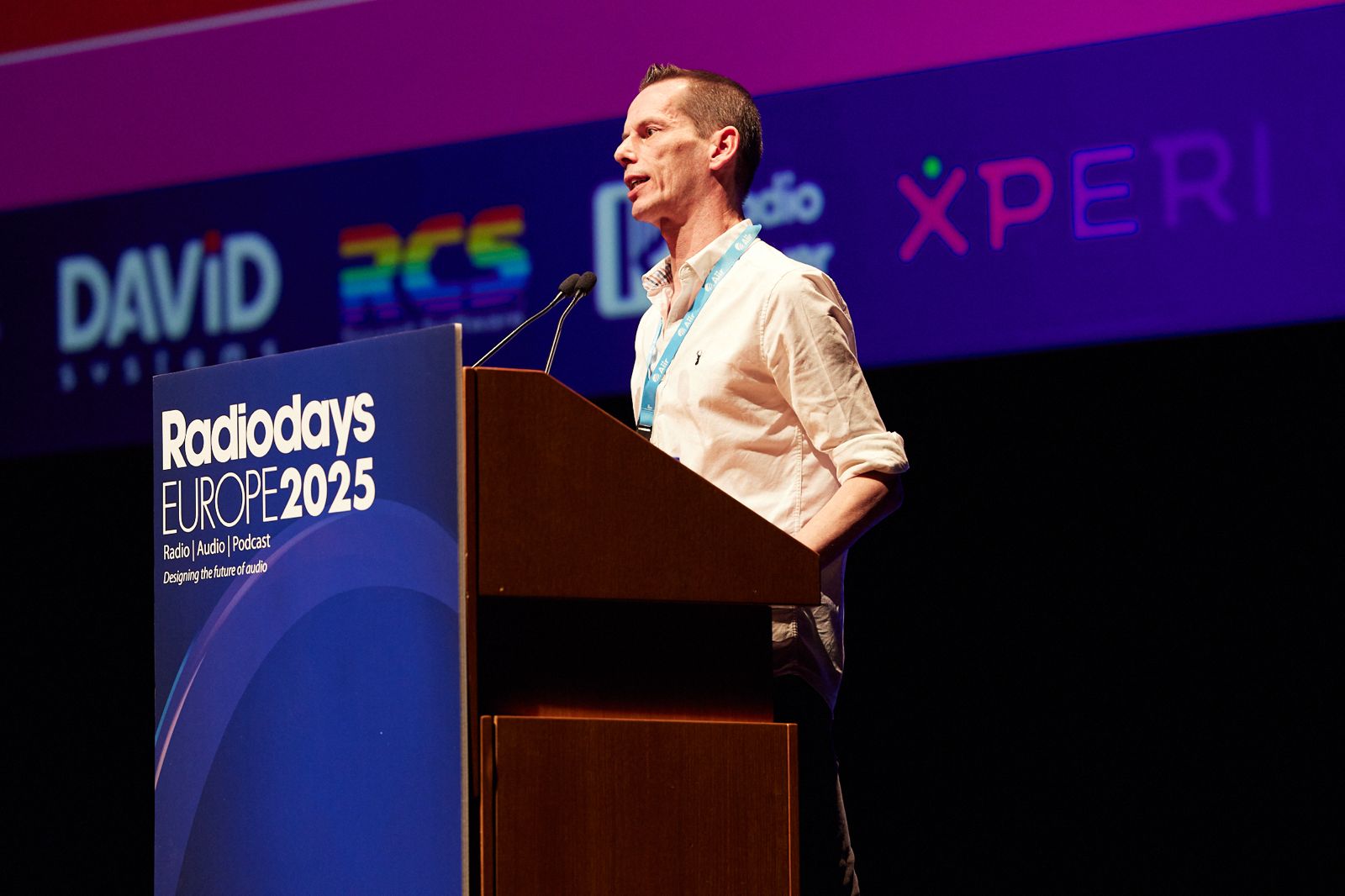
At Radiodays Europe 2026 in Riga, van de Laar brings this experience into a highly relevant conversation for radio. His session explores how Donald Trump fundamentally changed the rules of political communication – and what that shift can teach radio broadcasters today.
Trump didn’t just win elections; he redefined what was acceptable, sayable and thinkable in public discourse. Whether you admire or oppose him, van de Laar argues that his success reveals something deeper about how emotional communication works in the modern media environment. Politics, like radio, is driven less by facts than by feelings – identity, outrage, belonging, fear and hope. Trump understood that, and he used it to reshape the game.
The session challenges radio professionals to look beyond politics and focus on the mechanics behind it. How are emotions triggered? How are narratives simplified? How does repetition, controversy and authenticity – real or constructed – cut through noise? And what happens when a medium dares to break its own unspoken rules?
Rather than offering easy answers, van de Laar invites the audience to rethink long-held assumptions about communication. If Trump changed what’s doable in politics, could radio also expand what’s possible in audio? Could challenging the boundaries of what feels “acceptable” help radio reconnect more deeply with audiences in an increasingly fragmented media world?
Named by Capital magazine as one of the Top 40 up-and-coming talents in German politics, Julius van de Laar brings a rare combination of strategic insight, real-world experience and provocative thinking. His session at Radiodays Europe 2026 promises to be thought-provoking, uncomfortable at times, and impossible to ignore – exactly the kind of conversation radio needs right now.