Local radio is thriving — and these three stories will prove why
This session really captured the true power of radio at its best – when it is deeply and authentically local. “The Three Best Local Cases You Need to Hear About” took us on a journey from India to Denmark to Slovenia – three countries, three realities, one shared truth: local radio works not because it’s nostalgic, but because it’s effective.
Local is not a slogan. It’s a practice. And the following cases showed exactly why.
India: Local radio as trust architecture
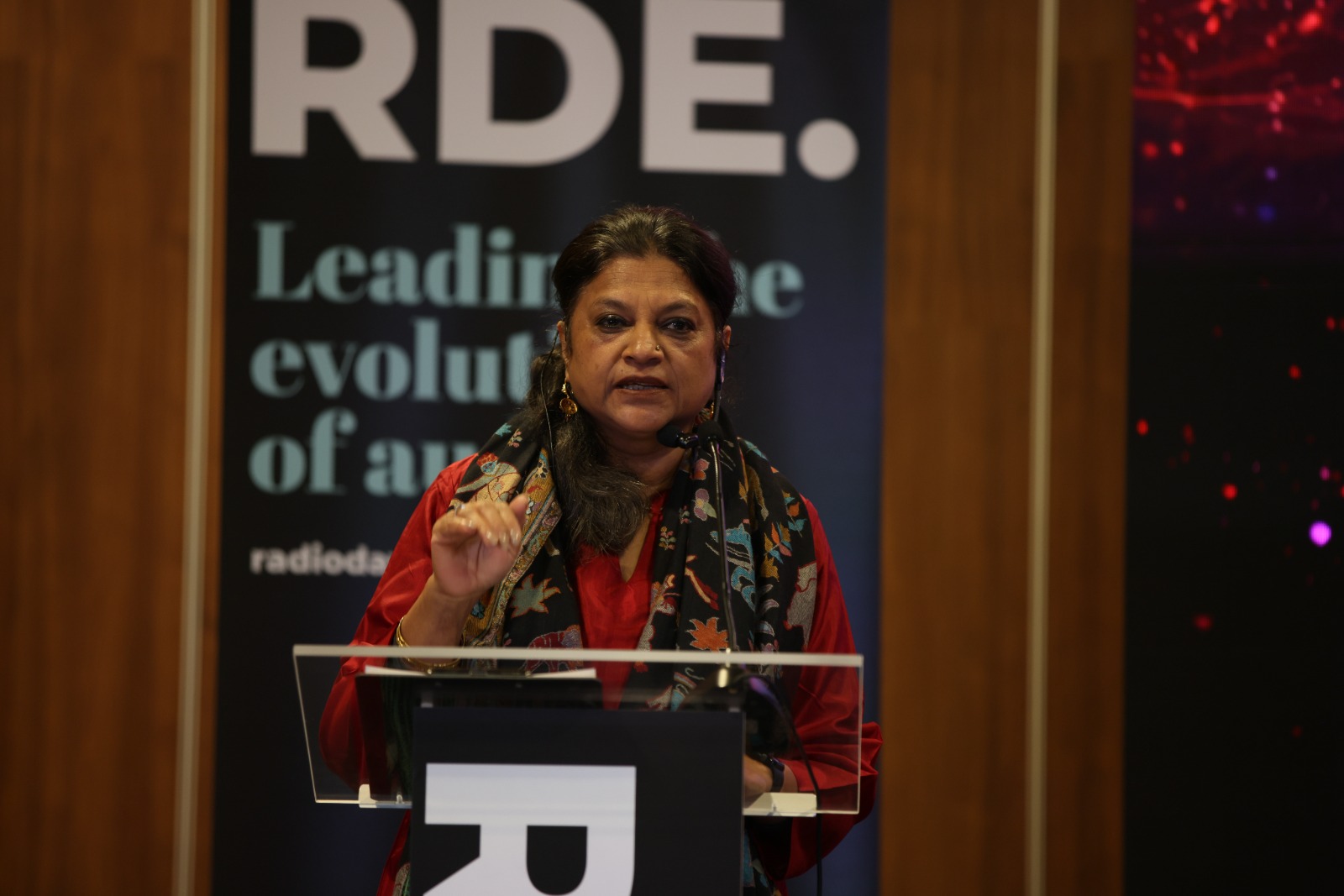
The session opened with Archana Kapoor from India, who reminded everyone that local radio is not just about language. It’s about relevance, proximity, and trust. Her community station serves 1.4 million people, many from marginalized backgrounds, and tackles issues that shape daily life – crop failures, school quality, exam results, seasonal rains and access to basic services.
Kapoor described local radio as “a civic infrastructure”. As something communities rely on not only to understand their problems, but to find solutions together.“We don’t just highlight issues. We help the community solve them,” she said.
This became strikingly clear during COVID‑19. In regions with active local stations virus spread was 8% lower. Why? Because broadcasters translated thousands of government advisories into local dialects and debunked misinformation in real time. In a country with 22 official languages, 121 recognized languages and over 20,000 dialects, this wasn’t just helpful – it was life‑saving.
Kapoor’s message was simple and powerful: trust is the benchmark. When radio speaks your language, reflects your humor, your rhythms, your lived experience, then you listen, you learn, and you act.
Denmark: Live, local, and creatively structured
Next on stage came Danish Radio P4, proving that innovation doesn’t always mean technology, but sometimes it means structure.
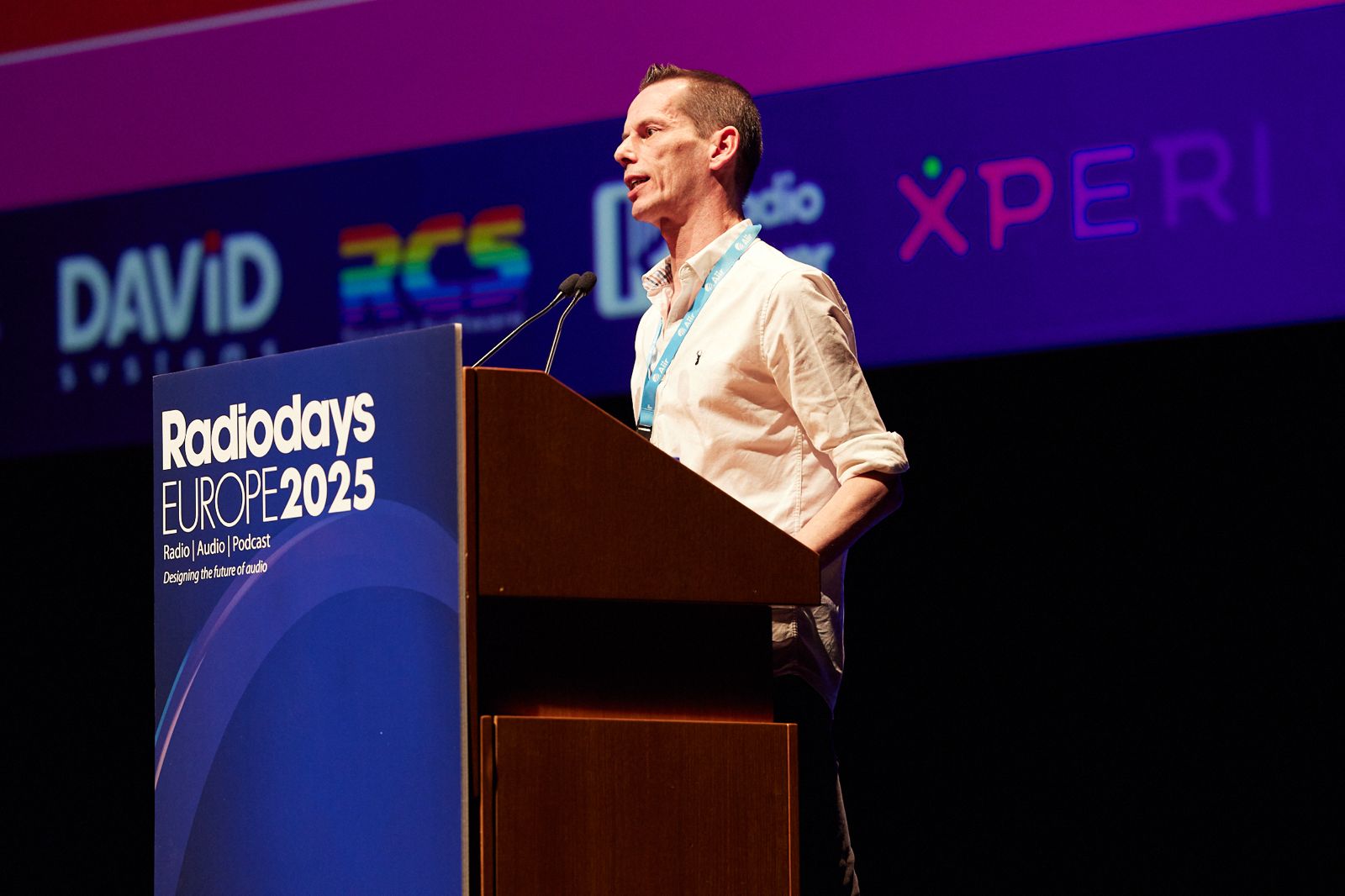
Lærke Lütken presented a year‑long transformation project across nine local stations, built on 10 fixed creative benchmarks. The standout example was The Morning Question. A daily moment at the same time every day, where radio hosts ask listeners a question inspired by the day’s top news.
Nothing like a heavy political debate. Something simple, human and, most importantly, easy to answer – like“What’s important in your calendar in the next couple of weeks?” Listeners responded in ways that were funny, relatable and deeply connecting. One woman even ran outside live on air to put out her garbage bin. It was a tiny moment that made thousands smile at that moment and laugh in the audience as well.
The benchmarks helped Denmark make journalism feel fresh and relevant, connect news to everyday life, boost afternoon listening, merge entertainment with current affairs and strengthen the “live & local” identity.
Lütken remained crucially that presenters must love the benchmark because they do it every single day. If the host isn’t engaged, the audience won’t be either.
Slovenia: Moving people, not cars
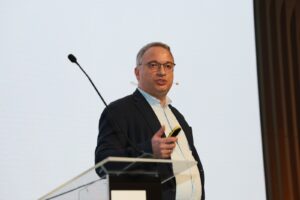
The final case came from Matej Praptunich of RTV Slovenija’s VAL 202 and it flipped a classic radio format on its head.
Every half hour every radio station reports traffic jams. And as Matej pointed out, if you hear this your entire life, you start believing congestion is the biggest problem in the world.
A big question pops up – but what if traffic updates weren’t about cars at all? So, for International Car Free Day, VAL 202 launched #Day22. It was about traffic updates for people, not cars.
Instead of reporting highway delays, they shared blocked pavements, obstructed bike lanes, delayed buses and even a “collision” between two pedestrians who recognized each other and went for coffee. Listeners loved it and responded to requests – sent in around 50 people‑centric updates with photos.
The goal wasn’t to attack drivers. It was to challenge the unconscious belief that “traffic” equals “cars.” As Matej put it: “We’re not taking away mobility. We’re helping people move in healthier ways.”
Three countries, one message
Across India, Denmark or Slovenia the conclusion was unmistakable:
Local radio is not about nostalgia. It’s about impact. It informs. It connects. It changes behavior. It reflects real people, real places, real lives.
When radio is live, local, and rooted in trust, it becomes more than a media. It becomes a community.