From Reach to Revenue: Radio’s Next Shift
Radio has never had a reach problem. If anything, it has always been its greatest strength. With 87% weekly reach across Europe and North America and billions of global listeners, it remains – perhaps surprisingly – he last true high-reach medium. And yet, sitting in a room full of industry professionals in Riga, one question lingered: if radio is still so powerful, why does it feel like it’s falling behind?
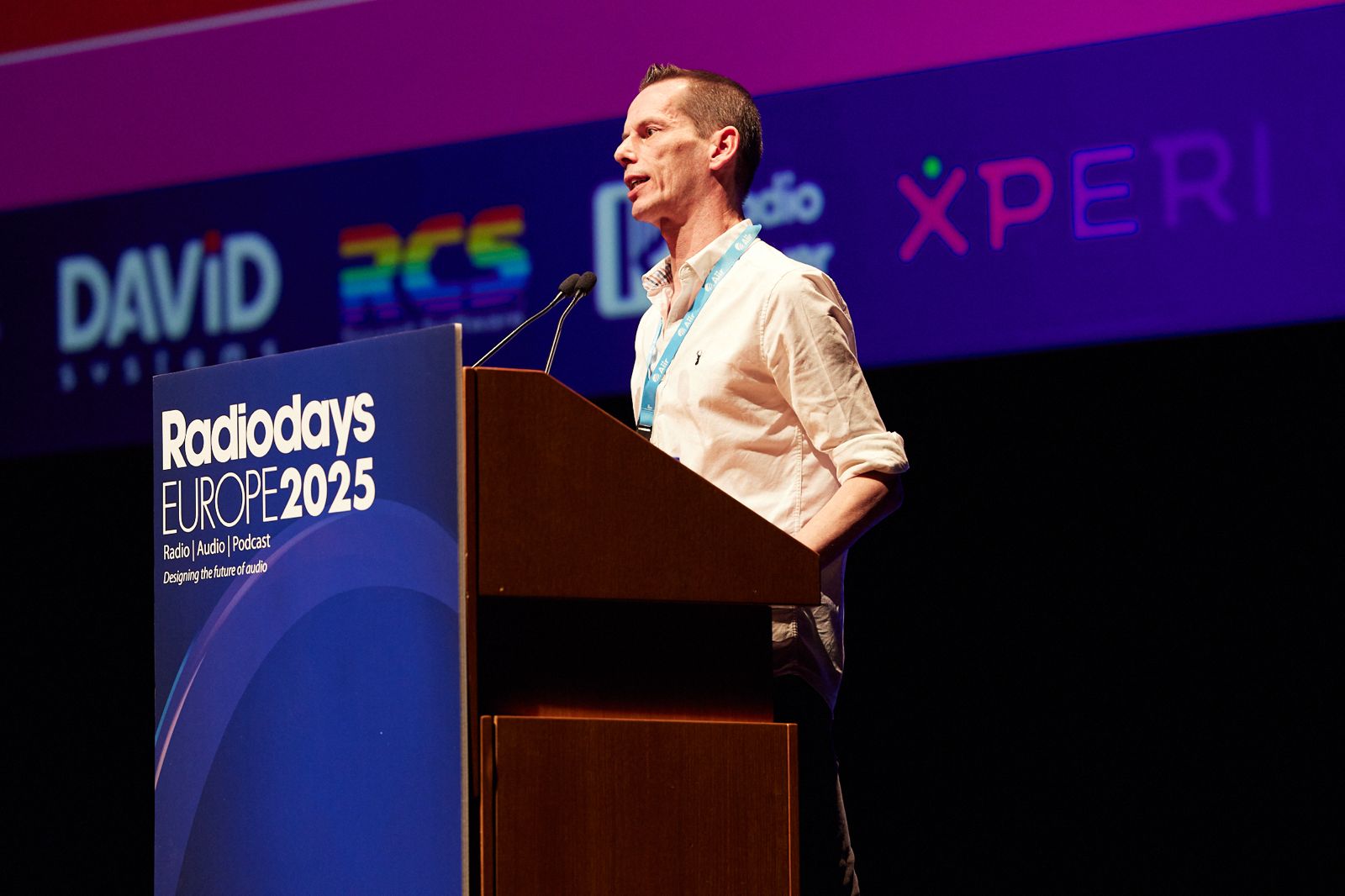
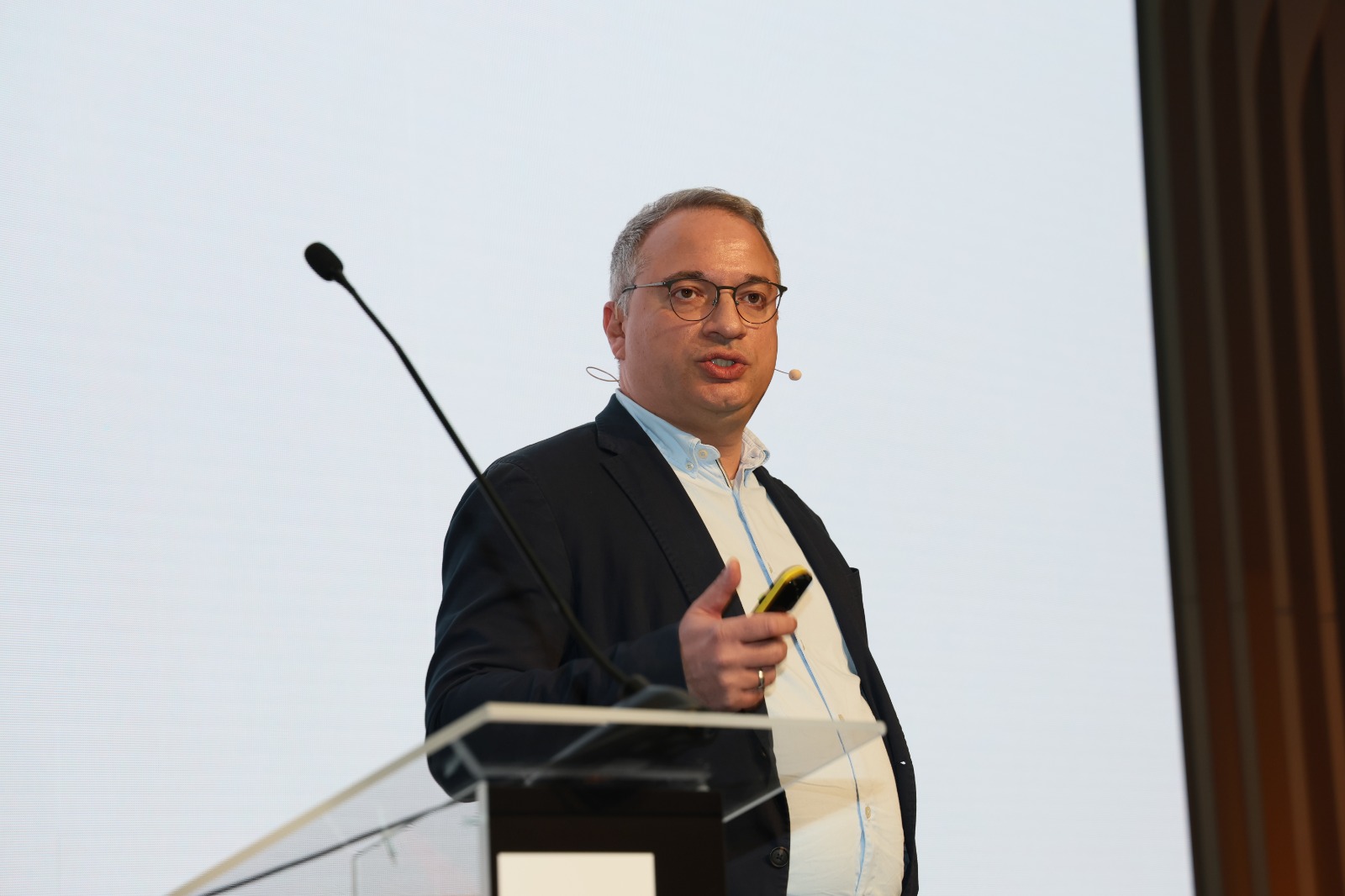
The answer, as Jan Poelmann and Aleksandar Rustemovski from aireal argued, is not a lack of value – but a lack of access.
“The problem isn’t that radio lacks demand,” the session suggested, “it’s that it isn’t present where demand is being traded.”
The advertising industry has quietly but fundamentally transformed. What was once negotiated through emails, calls, and insertion orders has now moved into automated, data-driven ecosystems. Programmatic advertising – described as the new “operating system” of the industry – has become the default. By 2028, up to 80% of all media budgets are expected to flow through these systems.
Radio, however, has remained largely outside of them.
Despite carrying massive audiences, FM radio still relies heavily on legacy sales structures – manual, slow, and disconnected from modern ad-tech infrastructure. The result is a paradox: a medium with unmatched reach, yet increasingly invisible to the very buyers controlling the majority of advertising spend. As Rustemovski put it, without programmatic access, broadcasters are effectively “leaving billions in potential ad revenue unrealised.”
Meanwhile, competitors have adapted. Television, digital out-of-home, even cinema—each has found its place within programmatic ecosystems. Radio has not.
This is where aireal positions itself – not as a sales house, but as a technical bridge. Their platform connects radio inventory directly to demand-side platforms, translating broadcast audio into a language that modern media buyers understand: audiences, data, and real-time optimization. In doing so, it enables radio to be bought alongside digital channels – within the same dashboards, at the same speed, and with the same ease.
And that ease matters.
Today’s media buyers are not waiting. If radio isn’t available in their systems, budgets are simply redirected – to Spotify, YouTube, or TikTok. Not because they are better, but because they are accessible.
What makes this moment critical is that the opportunity is still there. Radio’s reach, trust, and creative flexibility remain unmatched. But time might be running out.
Programmatic radio is no longer a future concept – it is already here. The question is no longer whether radio can adapt, but whether it will do so fast enough to claim its share in a rapidly evolving market.
Because the revenue isn’t gone. It’s just waiting to be unlocked.