Broadcasters must evolve to stay relevant in the 2020s music ecosystem
The global music landscape has shifted dramatically in the last decade. Streaming, social platforms and new creative economies have changed how artists emerge and how audiences discover them. This session explored what this means for broadcasters and why collaboration is the future.
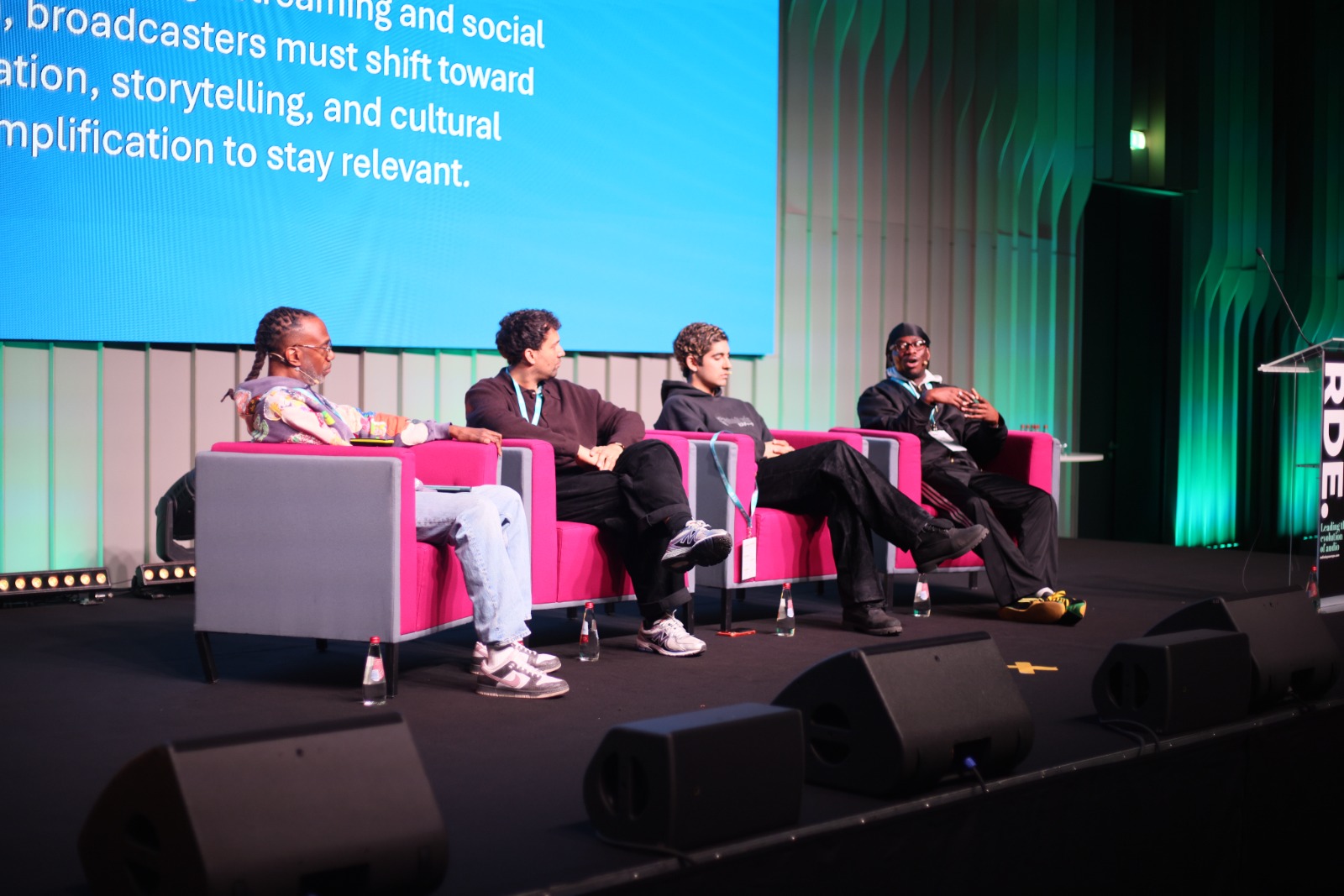
On stage we welcomed Kevin Barton (Departure producer / Radiodays North America), rising artist Master Peace and Ben Palmer and Sachin Johal from Big Family Music. Their message was clear – radio must move closer to the creative process if it wants to stay part of the artist’s journey.
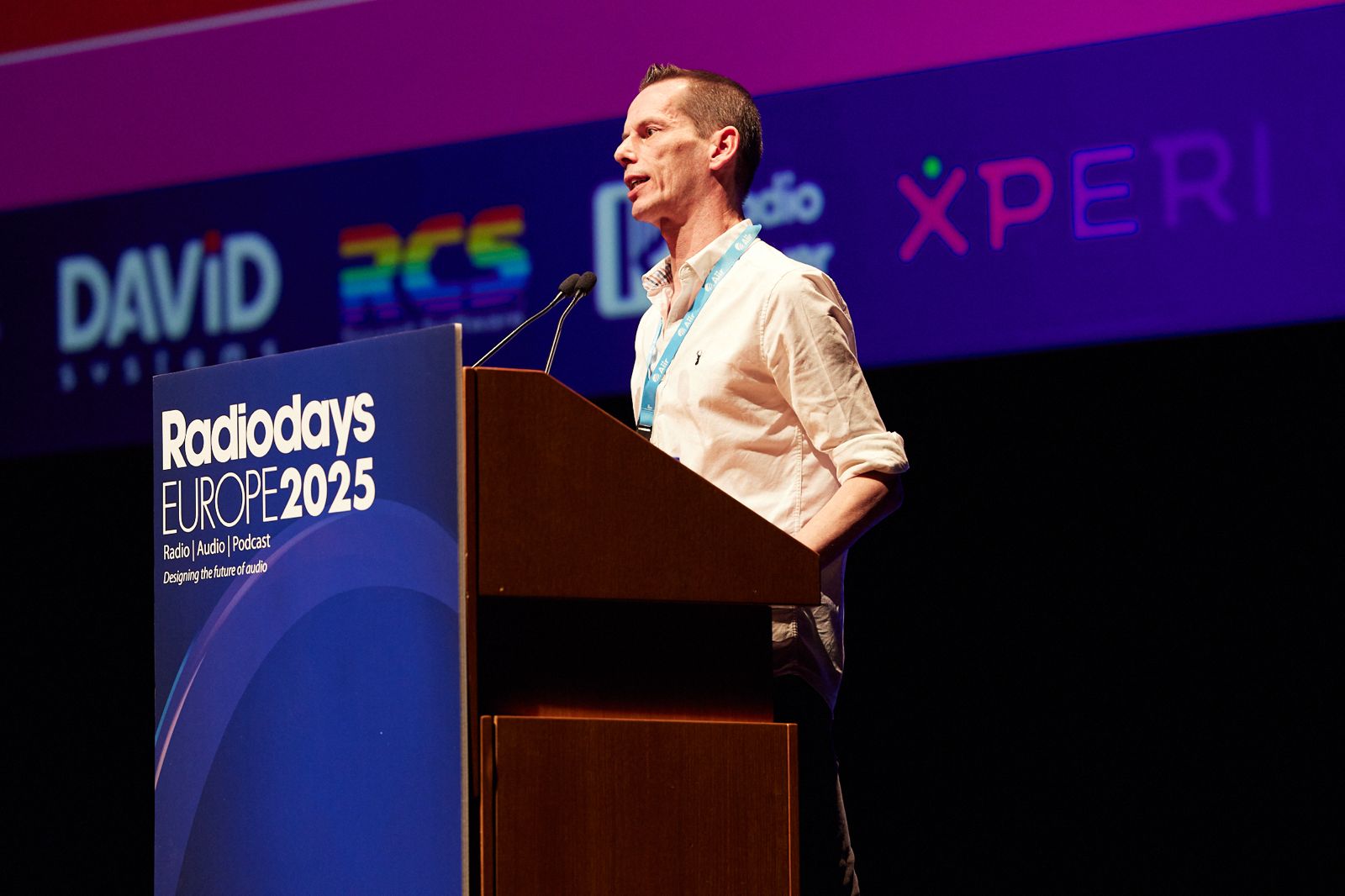
Kevin Barton opened with a simple thesis: “the era of radio waiting for “finished hits” is over.” Today’s artists build global audiences long before traditional media enters the picture. If broadcasters want to stay relevant they must shift from late‑stage promotion to early‑stage collaboration. This means understanding the artist’s identity, story and audience before the big moments arrive.
Ofcourse, Radio’s role isn’t disappearing. It’s evolving into something more valuable – curation, storytelling and cultural amplification.
Ben Palmer explained why Big Family combines management, label and publishing. Its because breaking an artist takes longer, costs more and requires multiple revenue streams working together. The goal is to give artists time to develop, but not rush them toward quick returns.
Sachin Johal outlined the early development phases: first the sound, then the identity, then the world around the artist. Only after that comes the audience strategy.
For Master Peace radio still matters emotionally and professionally. He said that BBC introduction felt like an “exam” – a pathway that can lead to Radio 1 support. But he also acknowledged the fragmentation of today’s industry that social, streaming, radio and live often move at different speeds, making timing more complex than ever.
The panel was totally agreeing that “getting on early” means more than adding a track. It means understanding the artist’s story, helping them reach the right audience first, creating content that travels beyond the broadcast signal and behaving like a content brand, not just a radio station. Live sessions, social‑first assets, behind‑the‑scenes storytelling are the formats that build artist identity and attract new talent. Community and university radio were highlighted as essential early‑stage partners because they move quickly and reflect youth culture authentically.
The takeaway from this session is that the next generation of artists doesn’t need radio to exist, but radio needs artists to stay relevant. Broadcasters who embrace collaboration, creativity and early‑stage support will thrive in the new music ecosystem. Those who cling to old structures risk being left behind. When radio steps closer to the creative engine, the artist, the audience, and the medium itself wins.