From Simple Tools to Intelligent agents
In the rapidly shifting landscape of digital media, a fundamental gap has emerged between how we value content and how we execute its delivery. While the “walled gardens” of social media have mastered the art of frictionless buying, the open web and specifically the high-context world of radio and podcasts has remained tethered to manual, inefficient processes.
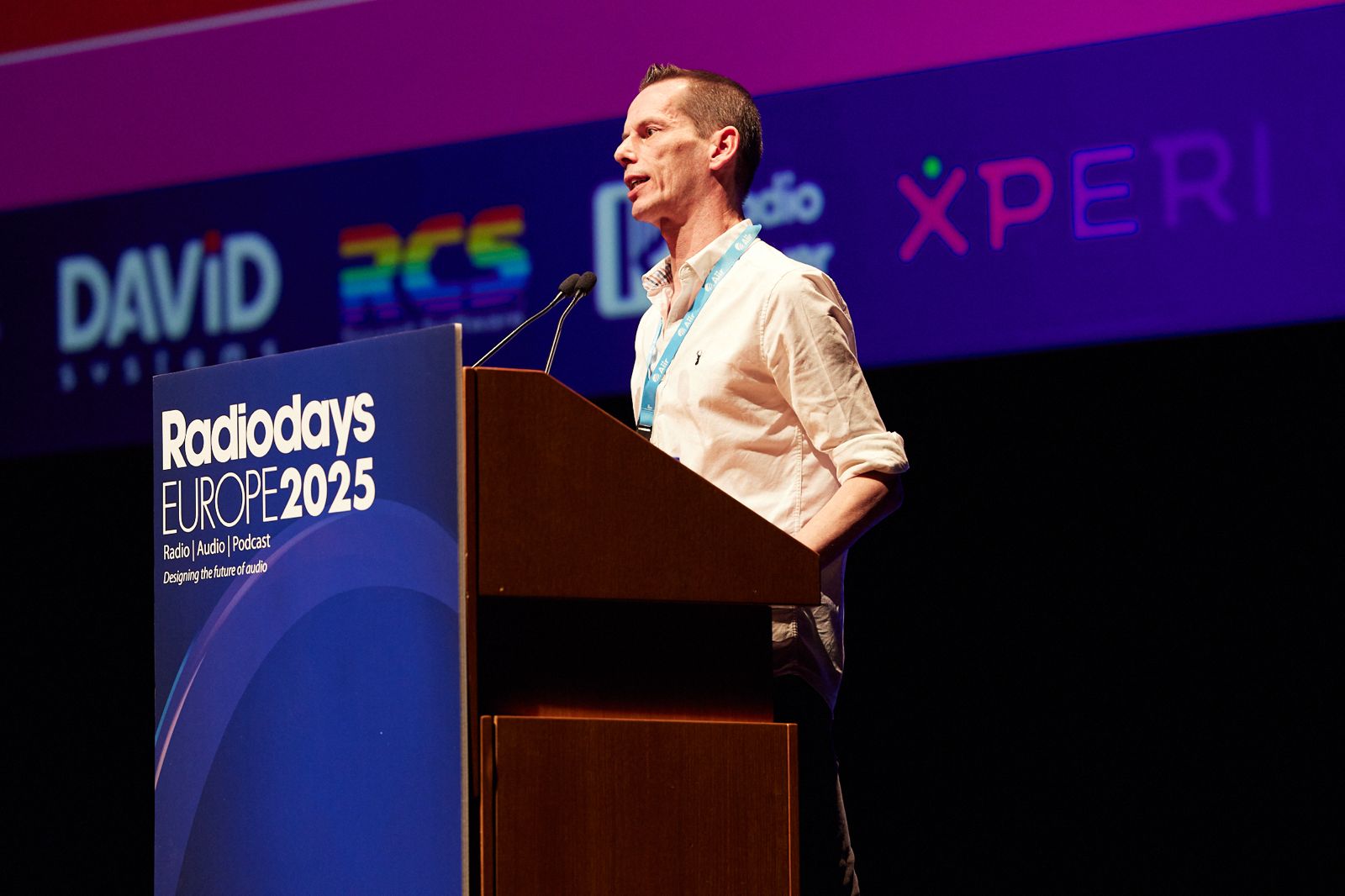
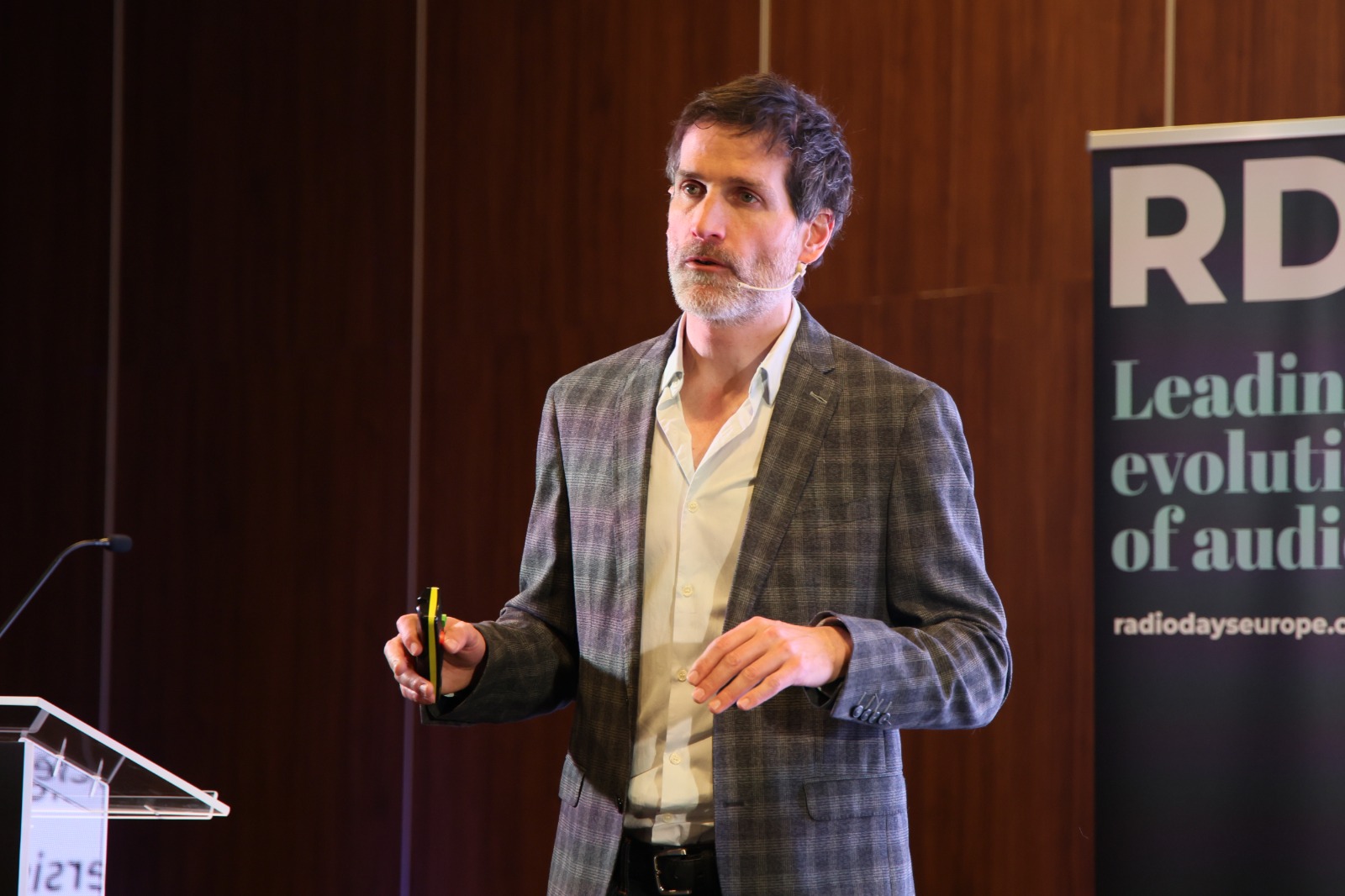
Benjamin Masse, Chief Product Officer at Triton Digital, argues that we are entering a new era where the industry moves from simple tools to intelligent agents, shifting from raw execution to sophisticated reasoning. This is the core promise of the Ad Context Protocol (AdCP).
Shifting the Focus from Efficiency to Investment
A central theme of the current audio landscape is the confusion between efficiency and effectiveness. While the programmatic model is often optimized for the lowest common denominator – the individual impression – this doesn’t necessarily build a brand. Execution is about efficiency, but true investment is what builds long term brand equity.
To unlock the value of the “Sovereign Publisher,” the market must evolve. This involves moving from short term bidding to long horizon investing, shifting the focus from capturing fleeting moments to building persistent memory in the listener’s mind. In audio, the host listener relationship is the most valuable asset; AdCP acts as the bridge that allows these human relationships to scale through technology.
AdCP: The New Reasoning Layer
AdCP isn’t intended to replace the pipes of the internet, such as OpenRTB. Instead, it serves as a strategic layer – a nervous system for a campaign – that sits above execution. It provides an open protocol that allows AI agents to collaborate on discovery, planning, and activation.
A key technical driver in this framework is the Model Context Protocol (MCP). This is a new standard for AI interaction with structured data. By using MCP, a buyer’s strategic intent can be translated into action instantly, turning fragmented media landscapes into a machine readable environment where agents can negotiate and optimize in real time.
The Evolution of the Advertising Stack
The advertising stack is undergoing a significant evolution. In traditional models, planning cycles can take weeks, and the rich context of a podcast or radio show is often lost the moment a bid is won. The new agentic model compresses these cycles into seconds.
Crucially, in this new framework, context persists. Because AI agents can reason based on historical performance, brand safety, and listener sentiment, decision making shifts from the bid level to the relationship level. This ensures that sovereign publishers, those who maintain control over their audience and yield – can finally compete on a level playing field with big tech.
An Open Future for Audio
The transition to agentic advertising must happen in the open. Through initiatives like AgenticAdvertising.org (AAO), the industry is working to ensure these protocols remain transparent and interoperable.
For radio and podcasts, the potential is immense. By moving away from manual IOs and fragmented data toward a world of shared agentic logic, audio can finally prove its true worth. The message is clear: it is time for the industry to stop simply buying spots and start investing in the deep, contextual power of the sovereign voice.