Making Waves in Audio Investments: A Controlled Revolution in the Netherlands
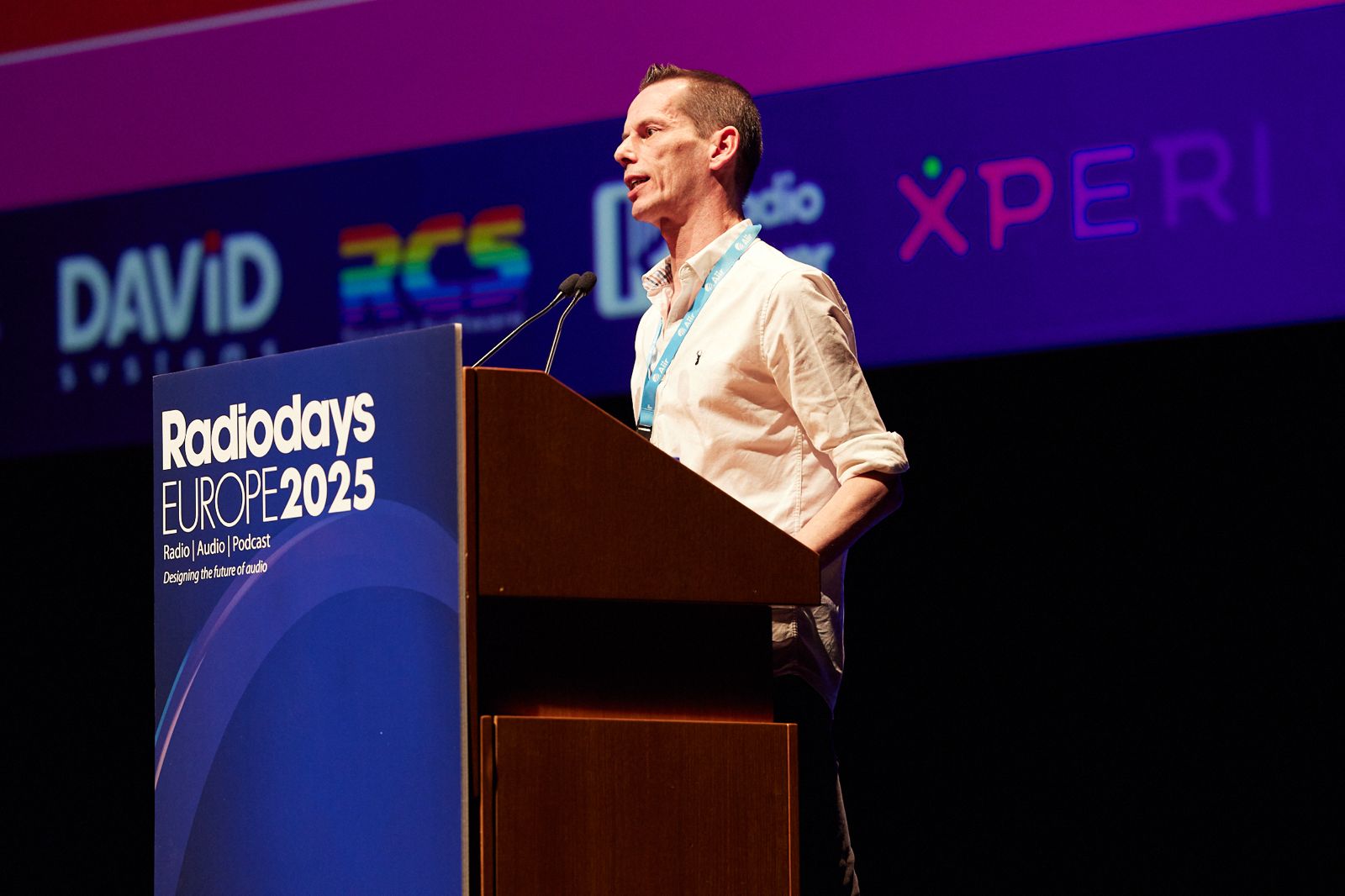
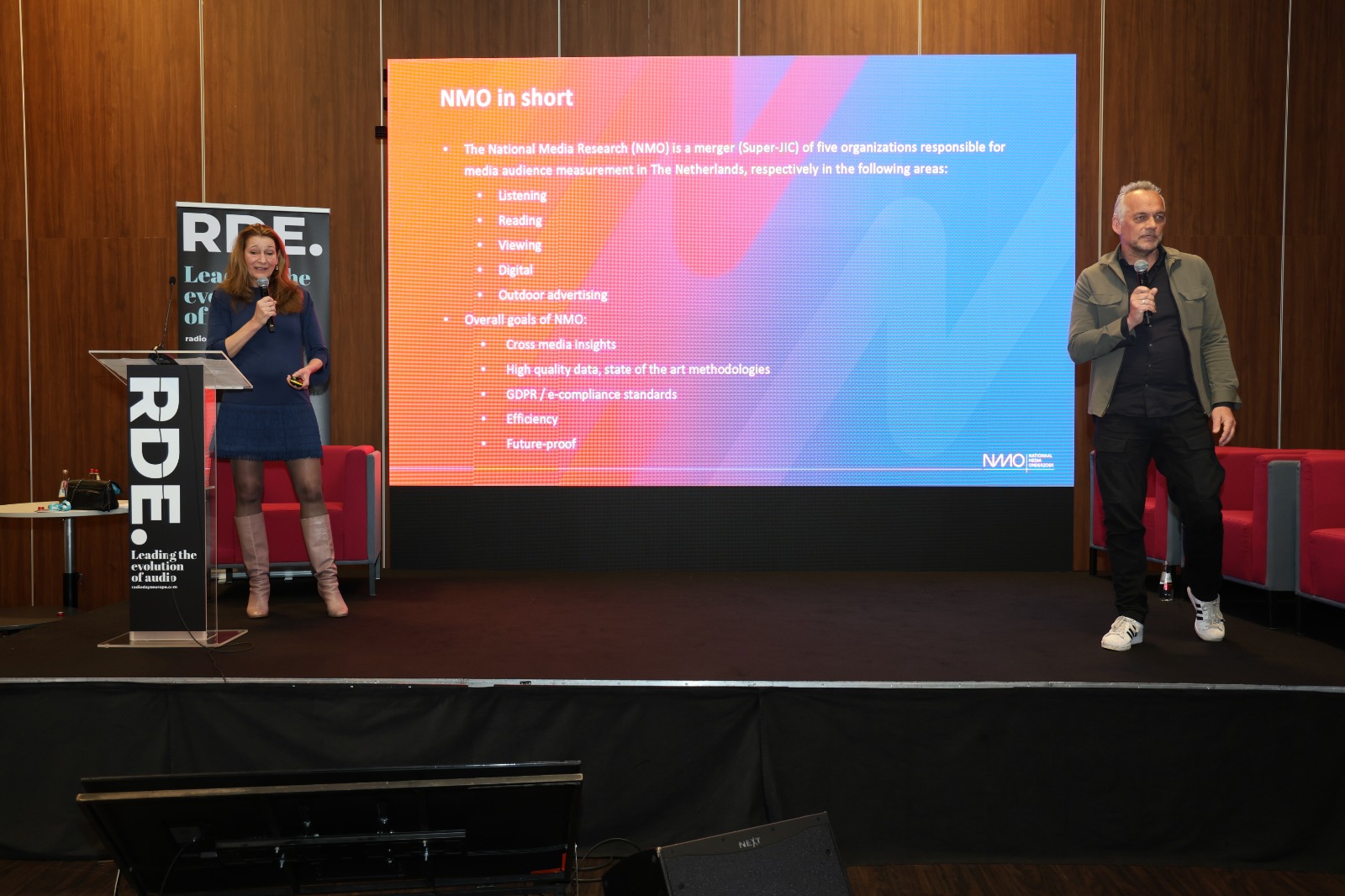
At a time when many considered radio a fading medium, leaders like Frans Kok, Head of Communications, Nationaal Media Onderzoek (NMO) and Liedewij Hentenaar Managing Director, Audify, presented a compelling case for why audio is not only alive – but evolving. Their message was clear: this is not a disruption, but a controlled revolution in audio audience measurement.
The Netherlands has taken a bold step forward by introducing a new currency for measuring audio audiences. At the center of this transformation is NMO (Nationaal Media Onderzoek), a unique merger of five measurement domains: listening, reading, viewing, digital, and outdoor advertising. This integrated approach reflects a modern understanding of media consumption – fragmented, cross-platform, and deeply digital.
One of the most striking ideas shared during the session was the concept of measuring audio “like Shazam, but for the radio market.” This innovation, powered by tools like RealityMine, allows real-time tracking of digital audio behavior on smartphones. It captures not just traditional radio listening, but also streaming and app-based consumption – bridging the gap between old and new media ecosystems.
Back in 2021, the industry faced a critical perception: radio was becoming a medium of the past. However, the response from NMO was strategic rather than reactive. As one speaker emphasized, “We want to be part of the future.” This meant embracing digital integration, including social media solutions, and redefining how audio is measured and valued.
A key innovation introduced is the transition index of average listening time. This tool helps stakeholders understand the differences between old and new measurement systems. Importantly, it is positioned purely as an informational metric – it does not enforce commercial decisions but provides transparency and trust. As highlighted, the impact of radio campaigns (“radio flights”) remains consistent in terms of communication outcomes like recognition.
The value of the new measurement system is substantial. It positions audio firmly within the future of media planning by:
- Increasing attention toward radio and digital audio
- Integrating radio minute-level data alongside TV data
- Enabling real-time optimization of campaigns
- Expanding coverage across more channels, including niche formats
- Delivering faster insights into promotions and audience behavior
- Allowing program evaluation at a granular, minute-by-minute level
Equally important are the lessons learned from this transition. Success required time to test and adapt, alignment among stakeholders, and strong cross-media collaboration. Running old and new systems in parallel ensured stability, while clear communication and independent audits built market confidence.
The takeaway is simple but powerful: audio is not going anywhere. As the speakers concluded, “The radio is back (it never went away) and is still alive and kicking.”