Branding you can hear: radio’s secret weapon in a crowded market
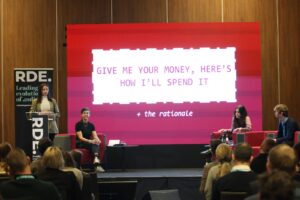
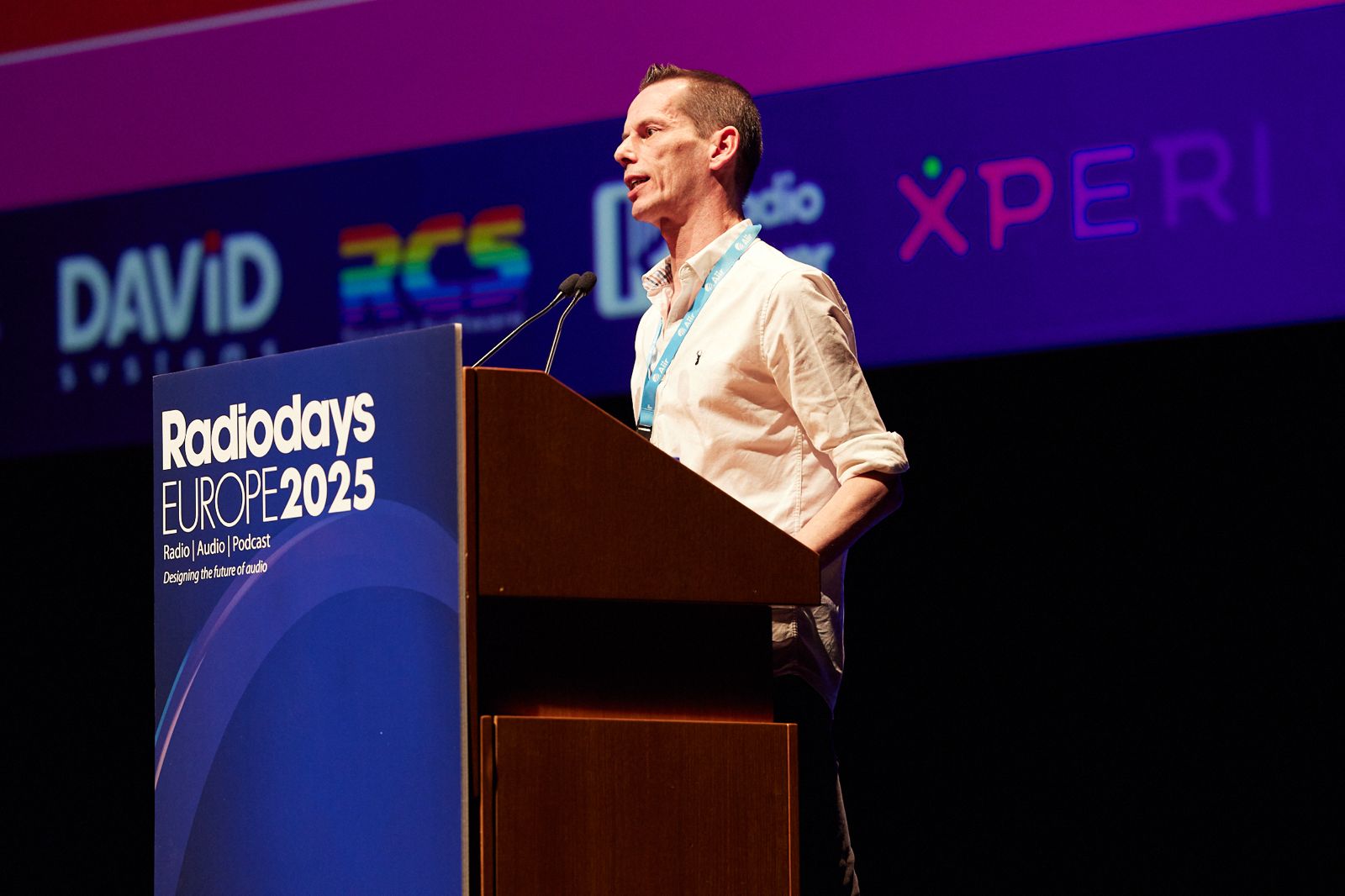
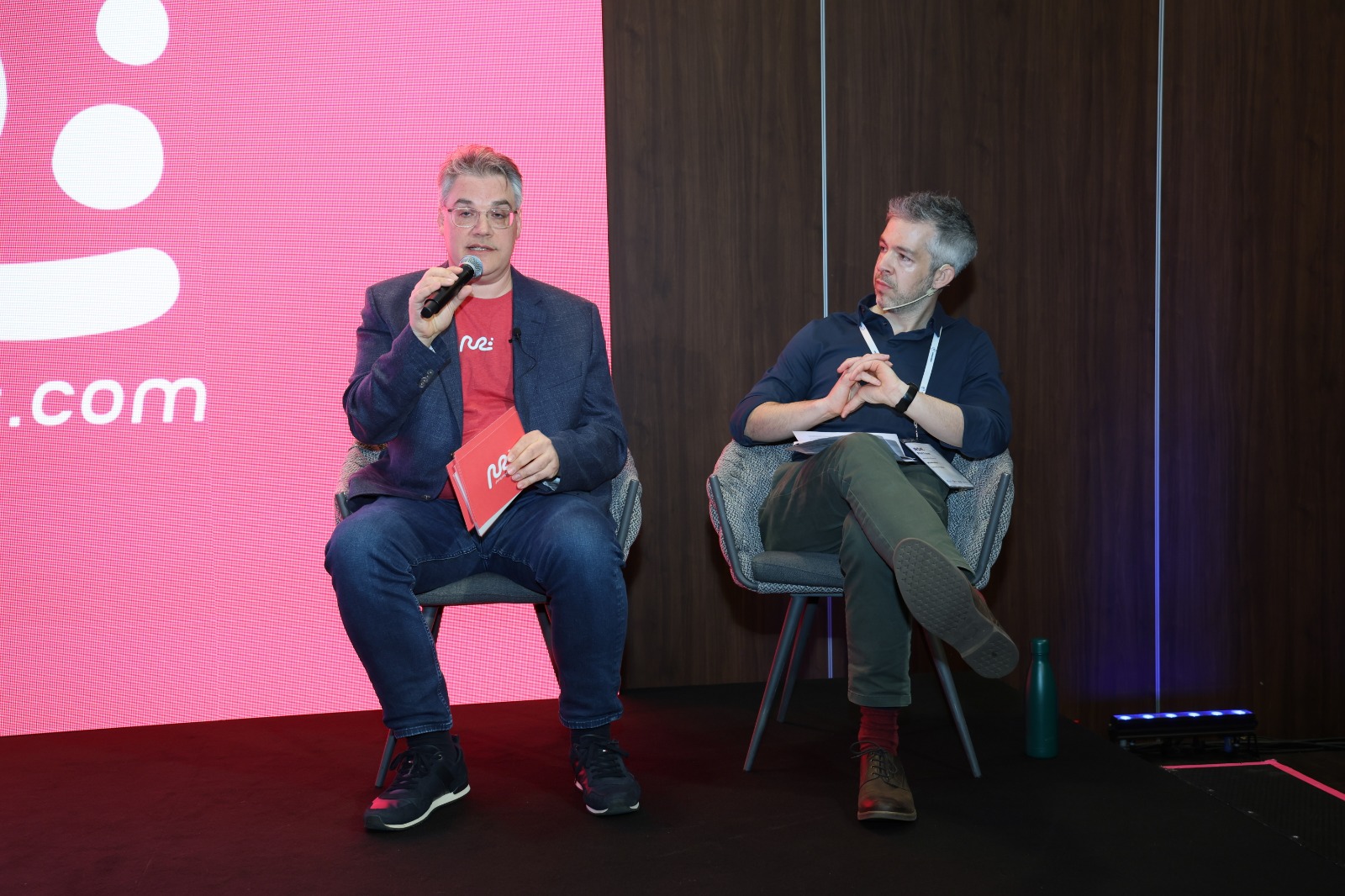
In an audio world overflowing with playlists, podcasts and algorithm‑driven feeds, a radio station without a distinct sonic identity risks becoming just another stream. In this session Thomas Giger (Branding Consultant & Partner, Pure Jingles), Phil Tozer (Managing Director, Wisebuddah) and Tamara Orbán‑Mikus (Program & Music Director, Sláger FM) made one main message clear – in 2026, imaging is not decoration, but the DNA of your brand. The conclusion was clear – in 2026, sonic identity is your competitive edge.
The panel opened by pointing out that being different is a survival strategy. Drawing on the classic marketing principle “Differentiate or die,” speakers argued that stations must define a clear and ownable identity. Before creating any jingle package, both Pure Jingles and Wisebuddah conduct deep research: listening to the client station, analyzing direct competitors and identifying concrete points of distinction. As Giger said, uniqueness doesn’t come from one magic ingredient – it comes from the full ecosystem of sound, visuals, UX and emotional experience.
Sonic identity matters more than ever because the marketplace is louder and more fragmented. Tozer emphasized that strong audio branding builds awareness, familiarity and recall across all measurement systems. Orbán‑Mikus added that impactful branding is essential in an era of shrinking attention spans. A consistent sonic identity strengthens emotional connection and helps stations become “love brands” that deliver on their promise every day.
In session there were warnings against overcomplication. Long straplines, cluttered imaging and constant rebrands dilute impact. “Don’t overdo it,” Orbán‑Mikus noted. The advice was simple: keep messages short, focused and consistent. Promotions follow the same rule: less is more.
Creative risk‑taking emerged as a defining theme. Tozer highlighted BBC Radio 1’s bold “single‑note sonic,” which became an iconic cross‑platform signature precisely because it broke the mold. Giger shared how Kiss UK’s recent rebrand succeeded by choosing a package that was “new, fresh, original,” not a variation of something familiar.
Sometimes you just need to take chances, experiment and trust your strategy.
Memorability and measurement were also explored. Melodic, sung logos remain the most effective at sticking in listeners’ minds — “song logos stick the most,” as your notes captured. Research from Pop FM in Finland showed that when jingles match the key and tempo of surrounding songs, engagement rises by 20%, and the next song can be received up to 40% more positively.