
Audio Meets Video: A Smarter Strategy for Growth in the Digital Age
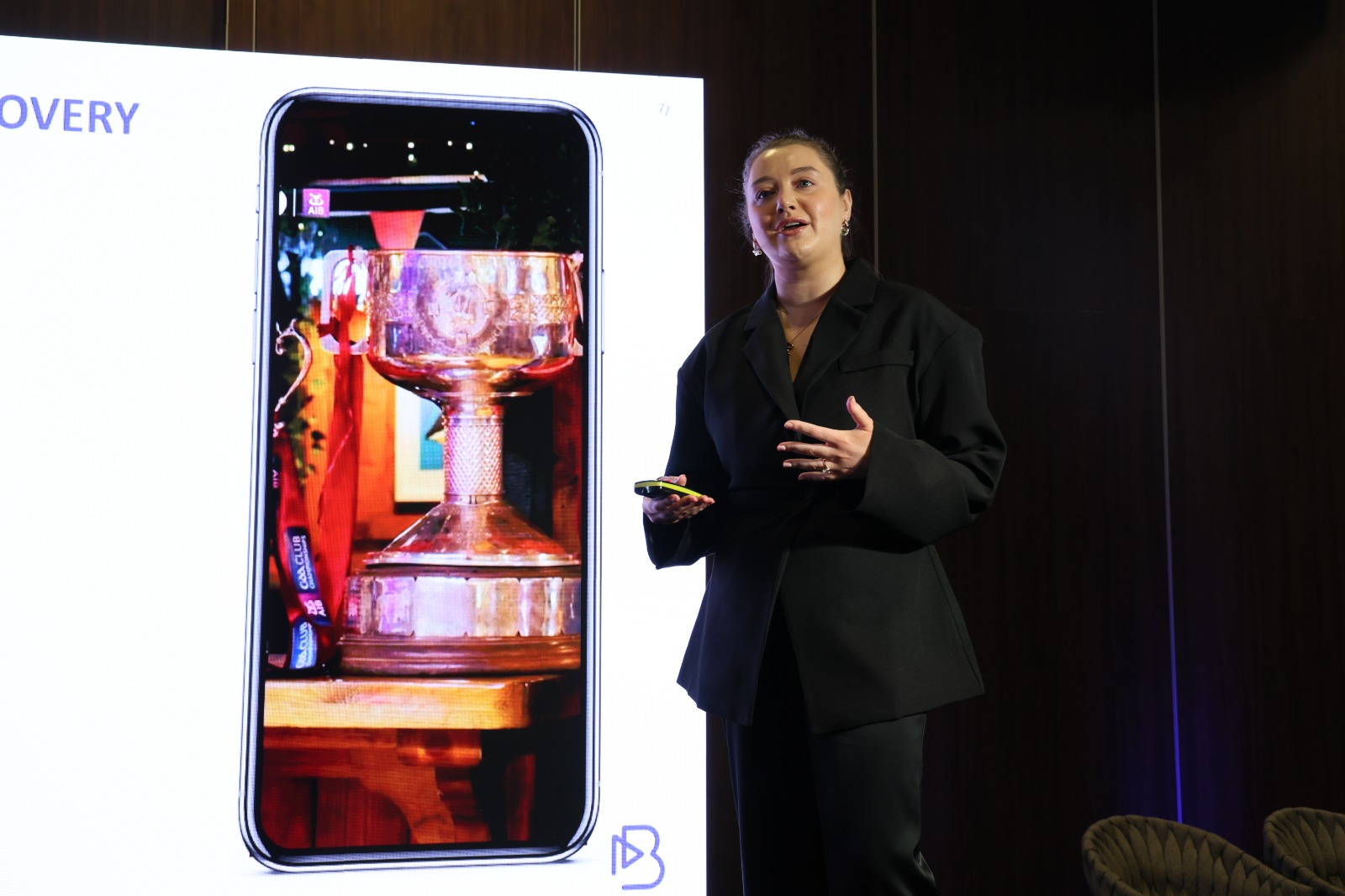
In today’s media landscape, the question is no longer whether to choose audio or video – it’s how to make them work together. Leading media organizations are increasingly recognizing that audio and video are not competing formats, but rather complementary. This topic was discussed by Head of Social Media for Music & Entertainment, Robyn Ree and Group Marketing Director, Róisín Reilly.
Unlike video, audio is inherently “invisible,” making discovery dependent on deliberate user action, recommendations, or word of mouth. Meanwhile, social platforms have shifted toward algorithm-driven, passive consumption, where content finds the user – not the other way around. This creates a gap that video can fill.
Short-form video acts as a gateway to audio content. It captures attention in seconds, has a possibility to stop the scroll, and introduce audiences to personalities behind the radio voice. From there, audio builds a deeper, longer-lasting relationship. In essence: video attracts, audio retains.
This dynamic is especially important in a fragmented attention economy. Audiences across generations consume content differently, but one principle holds true: video drives discovery, while audio delivers depth, trust, and loyalty.
How to Make It Work
1. Start with audience and objective
For a successful strategy define who you want to reach, what you want to achieve, and how success will be measured. Remember: different platforms and formats serve different goals.
2. Build a social-to-audio road
Think of content as a journey:
- Short-form video sparks discovery
- Engagement (likes, shares, comments) builds curiosity
- Users move to audio platforms for deeper context
- Consistent quality drives repeat listening and loyalty
This road only works if it is continuously fueled with relevant, engaging content.
3. “Sweat your assets”
Maximize every piece of content. A single long-form interview can generate dozens of short clips – teasers, highlights, behind-the-scenes moments, and shareable quotes. This not only extends content lifespan but also multiplies entry points for new audiences. You can reuse good quality content if the message becomes meaningful again.
4. Design for scroll behavior
Modern video must be immediate and engaging. Strong hooks, recognizable faces, subtitles, and dynamic editing are essential. Content should be optimized for silent viewing and short attention spans, while still reflecting the brand’s tone and quality.
5. Collaborate early and experiment
The most effective results come when production, audio, and social teams align from the start – identifying unique angles and “scroll-stopping” moments before content is even created. Ongoing experimentation is equally critical: test formats, learn quickly, and adapt to evolving platform dynamics.
Food for thought: success today depends on thinking beyond individual formats and focusing on the full audience experience. When audio and video are strategically aligned, they don’t just extend reach – they reinforce each other’s strengths, turning casual viewers into engaged listeners and, ultimately, loyal audiences.