
Beyond the host: Sustaining radio brands after talent departure
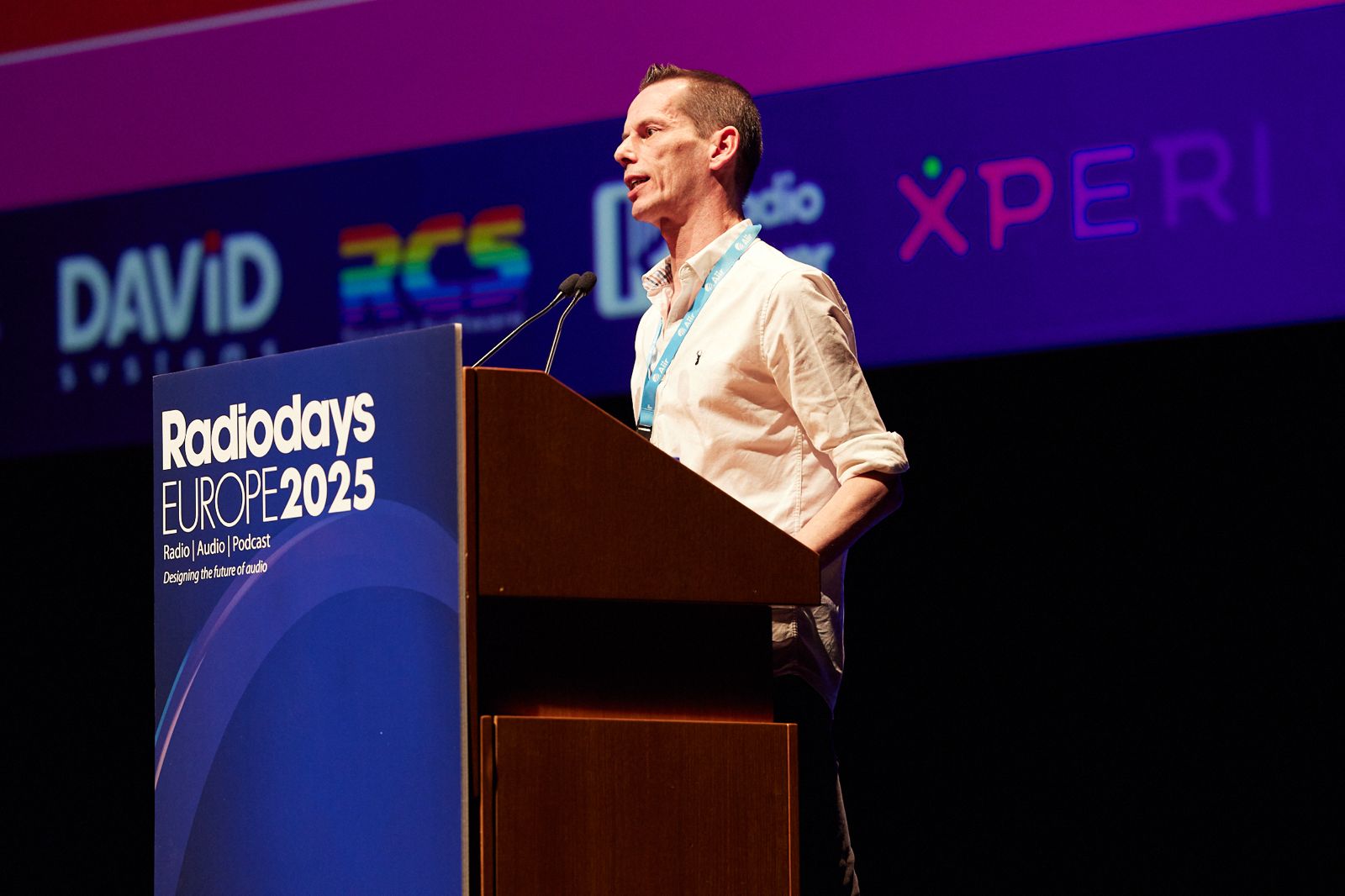
When a major on-air personality walks away, it sends shockwaves through any media organization. That was the central focus of a recent session featuring Radio Futurologist James Cridland, alongside Music & Audio Producer Dan McGrath from Bounce, NRK Head of Audio Cathinka Rondan, and consultant Nik Goodman. The speakers discussed well-known industry examples, including Chris Evans and the recent decision of Jackie O to step away from the iconic Kyle & Jackie O Show, co-hosted with Kyle Sandilands. These cases highlight a universal question in radio: what happens when the face of your brand disappears?
The Kyle & Jackie O Show has long been one of Australia’s most recognizable breakfast programs, built on strong personalities, controversy, and high-profile contracts. However, its success has also exposed the risks of over-reliance on star talent. Internal tensions, public controversies, and even legal disputes over salaries have demonstrated how fragile such a model can be. When talent becomes bigger than the brand, instability is almost inevitable.
One key takeaway from the session was the importance of balancing star power with brand identity. As Rondan explained from a public-service perspective, no presenter should ever overshadow the broadcaster itself. While audiences may initially follow personalities, long-term loyalty often remains with the station. This means that even after a major departure, a well-positioned brand can recover—and even thrive—by reinventing its content and lineup.
The speakers also reflected on the case of Chris Evans as a powerful example of how superstar status can both elevate and destabilize a show. Evans was known for pushing creative boundaries and operating with a sense of invincibility, often bending rules to deliver bold, attention-grabbing radio. However, this freedom came with consequences. His request for reduced commitments—such as taking Fridays off—triggered wider tensions around expectations, discipline, and control. Combined with growing controversies and side projects, it ultimately contributed to the collapse of his show. His departure sparked broader debates about contract structures and the balance between personal brand expansion and core broadcasting responsibilities.
Another critical issue is succession planning. Many organizations fail not because talent leaves, but because they are unprepared when it happens. The speakers highlighted how some stations successfully develop new voices in advance, ensuring a smoother transition. Without this, departures can lead to declining morale, chaotic programming, and a loss of audience trust.
The discussion also explored the risks of overpaying superstar talent. While high salaries may secure short-term success, they can create long-term problems. Excessive compensation can reduce motivation, encourage complacency, and limit a company’s ability to invest in new talent or innovation. In the case of Kyle & Jackie O, such financial commitments added pressure when internal conflicts emerged.
Ultimately, the key lesson is clear: build brands, not just stars. Talent will come and go, but a strong, adaptable brand can outlast any individual. Broadcasters that invest in culture, creativity, and long-term strategy are far better equipped to navigate the inevitable moment when their biggest name walks away.