Inside The Daily: Why Narrative Still Matters in News
Few podcasts have shaped modern audio journalism as much as The Daily. Nearly a decade since its launch, it remains one of the most influential news podcasts in the world – not just for what it covers, but for how it tells stories.
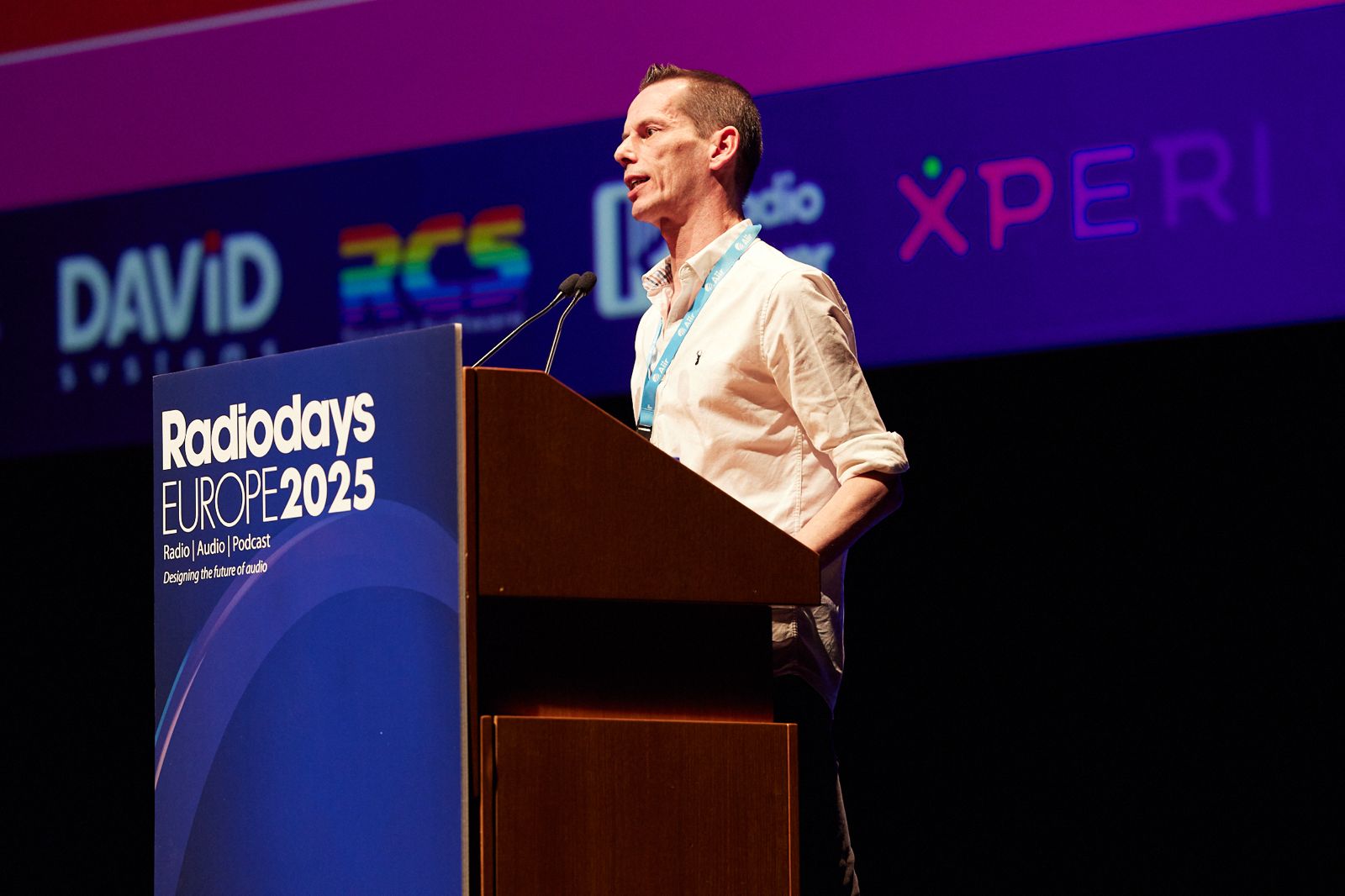
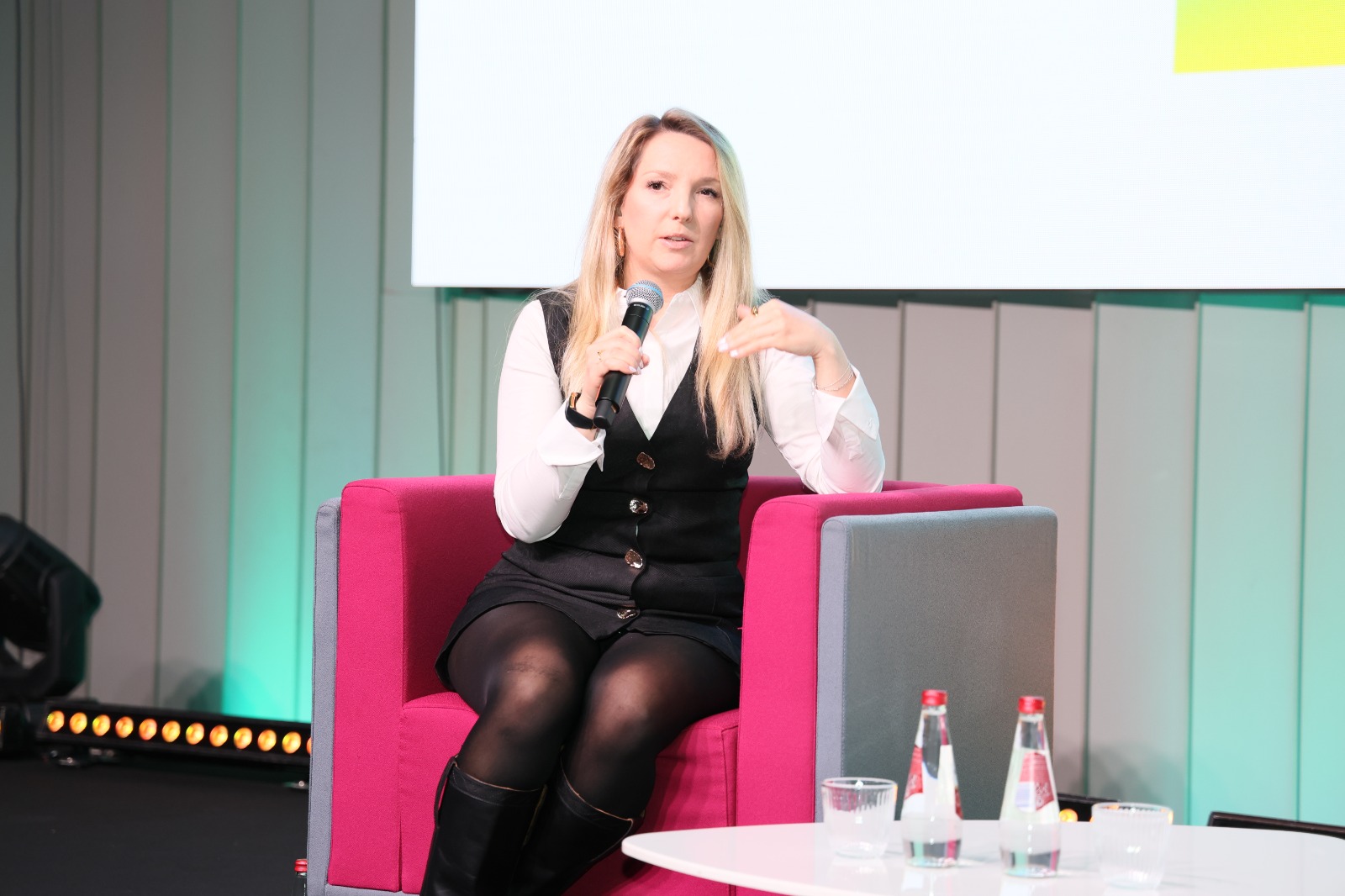
Speaking at RadioDays Europe, Rachel Quester, Supervising Producer, The Daily, The New York Times, offered a look behind the scenes of the show, revealing that its success is not built on speed alone, but on structure.
At the core of The Daily is a question the team asks every morning: does this moment demand an explanation? That guiding principle has remained unchanged since the show’s launch, even as its team has grown to around 40 people and its reach has expanded globally.
Despite its scale, each episode is still produced by a small group – typically around five people – working under intense time pressure. But what sets the show apart is not just its workflow, but its editorial approach: what Quester described as “narrative news.”
Rather than simply reporting what happened, The Daily builds each episode like a story. It starts with the news, moves backward to uncover the key moments that led there, and then returns to the present with a deeper understanding of why it matters. Characters, tension, stakes – these are not optional elements, but essential ones.
That structure also explains one of the show’s defining features: context.
Unlike traditional news formats that assume prior knowledge, The Daily deliberately slows down to explain. It emerged during the political upheaval of 2016 with a clear goal – to make complex events understandable, not just immediate. In an era of fast-moving headlines, that decision has proven to be a competitive advantage.
The challenge, however, lies in balancing this depth with the speed of the news cycle. Stories can shift within hours, yet the team insists on protecting the narrative process. As Quester explained, structure and nuance are non-negotiable – without them, the show would lose its identity.
This tension is especially visible in its political coverage. In reporting on Donald Trump’s second term, for example, the show has moved away from treating statements as rhetoric and instead examines them as actionable intent – reflecting a broader shift in journalistic responsibility.
Ultimately, The Daily is not just a podcast – it is a model for how news can evolve.
Because in a world saturated with information, what audiences need most is not more news. It’s understanding.