Scaling Broadcast Radio in the Connected Car
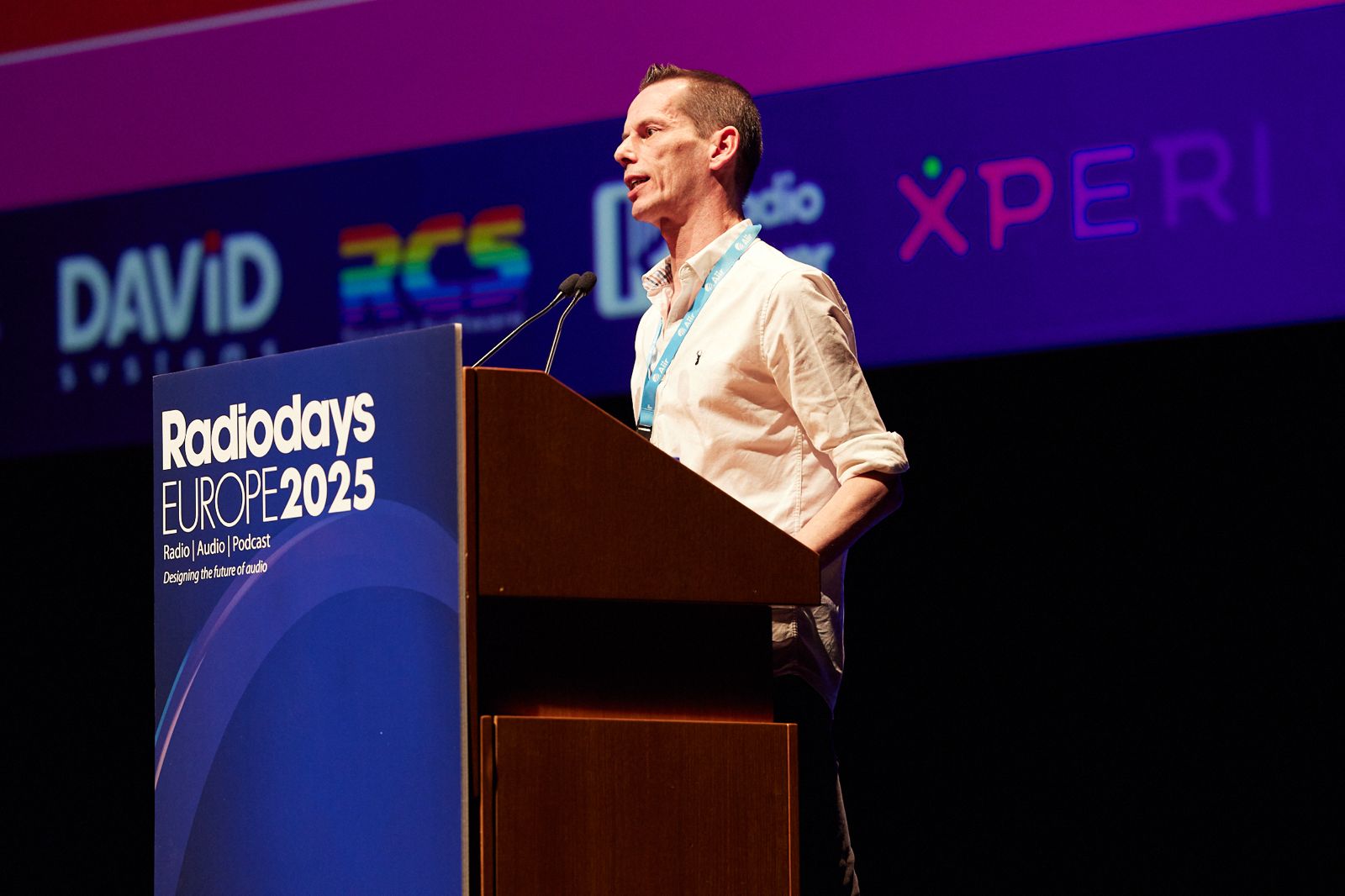
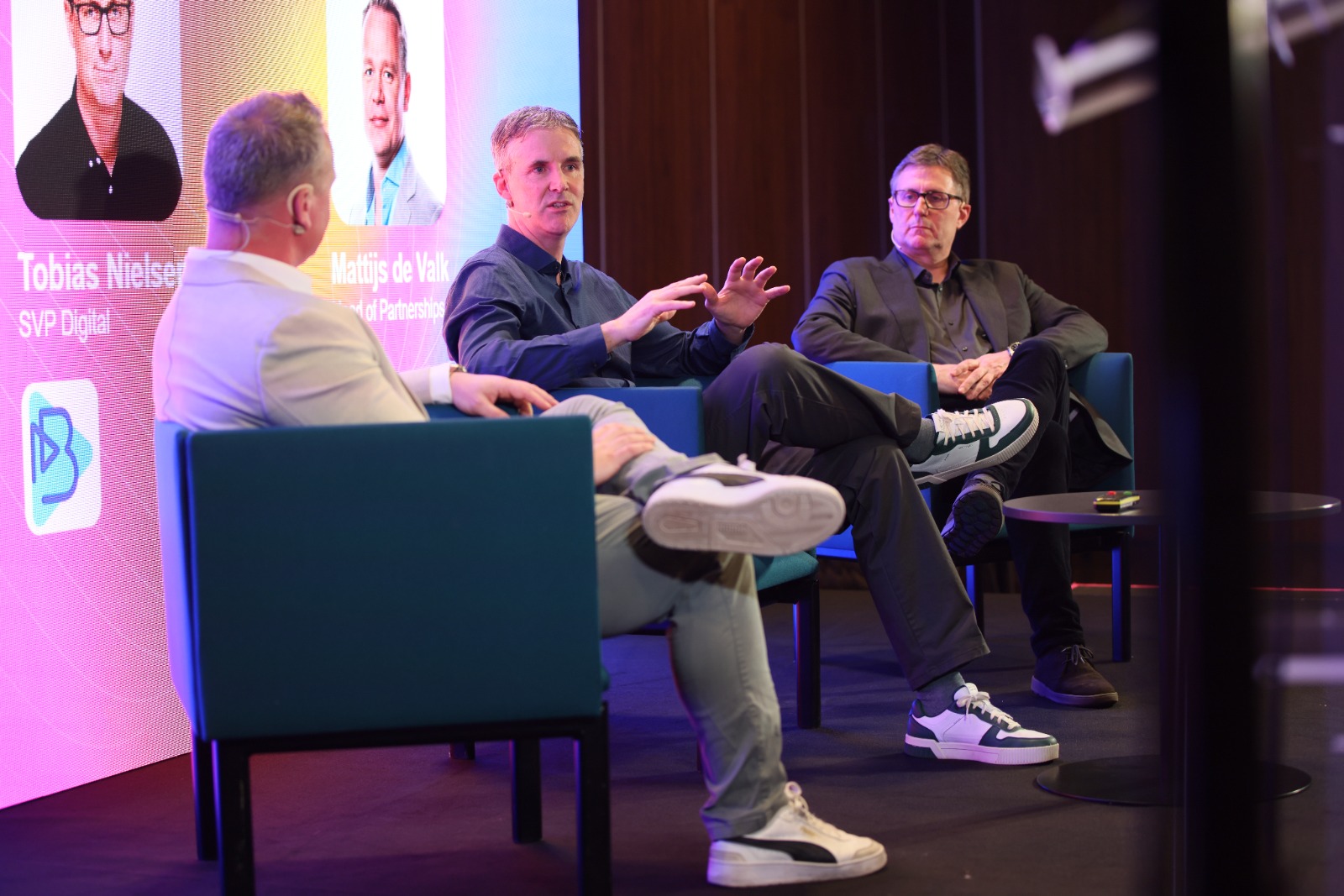
As the automotive industry accelerates toward a fully connected future, one thing remains clear: radio is still at the heart of the in-car audio experience. Yet the way audiences access radio is evolving rapidly. At Radiodays Europe, a panel featuring Mattijs De Valk (Appning by Forvia), Tobias Nielsen (Bauer Media Audio), and Laurence Harrison (Radioplayer) explored how collaboration and technology are enabling broadcast radio to thrive in this new environment.
Today’s vehicles are no longer just modes of transport—they are sophisticated digital ecosystems. Entertainment systems powered by platforms like Android Automotive are transforming dashboards into app-driven environments. While this creates exciting opportunities, it also introduces complexity.
For broadcasters, the challenge is significant: how do you ensure your content is available across dozens of automotive brands, each with different technical requirements, without investing heavily in custom development for each one?
As discussed in the session, building dedicated in-car applications independently is “costly, time-consuming and extremely complex.” With fragmented ecosystems and evolving standards, scaling effectively has become one of the biggest barriers to innovation in in-car audio.
This is where the partnership between Appning and Radioplayer comes in.
Radioplayer brings years of expertise in delivering high-quality radio experiences across platforms. Its white-label app solution allows broadcasters to launch fully branded applications built on a shared, proven architecture. This means broadcasters retain their identity while benefiting from a scalable and cost-efficient solution.
Appning, on the other hand, provides the distribution layer. As a leading automotive app marketplace, it enables these applications to be deployed across more than 40 car brands. By standardizing integration with different OEM systems, Appning dramatically reduces the time and effort required to reach in-car audiences.
Together, they create a powerful ecosystem: a one-stop solution that simplifies development, accelerates deployment, and expands reach.
One of the most compelling advantages highlighted during the panel is speed to market. Instead of navigating lengthy development cycles for each automotive platform, broadcasters can leverage Radioplayer’s existing infrastructure and Appning’s distribution network to launch quickly and efficiently.
Despite the shared infrastructure, branding remains firmly in the hands of broadcasters. Radioplayer’s white-label approach ensures that each app reflects the broadcaster’s unique identity, content, and user experience.
A recurring theme throughout the discussion was, while the technology behind connected cars is complex, the user experience must remain simple and intuitive.
The connected car is redefining what radio can be. It is no longer limited to linear, live listening. Instead, it becomes a gateway to a broader ecosystem of content.
As discussed in the session, listeners increasingly expect access to podcasts, on-demand audio, and additional digital experiences alongside traditional broadcasts. The ability to “bridge” these environments, moving seamlessly between them, is key to meeting modern audience expectations.
Ultimately, the collaboration between Appning and Radioplayer addresses one of the industry’s most pressing challenges: fragmentation.
By aligning broadcasters, technology providers, and automotive partners, this approach replaces complexity with standardization and scalability. Instead of dozens of disconnected efforts, the industry gains a unified pathway to the connected car.
The evolution of the connected car does not signal the end of broadcast radio—it marks its transformation.
Through strategic partnerships and scalable technology, radio is not only maintaining its place in the dashboard but expanding its role within a broader digital ecosystem. The work being done by Appning and Radioplayer demonstrates that with the right approach, broadcasters can innovate, scale, and deliver seamless experiences to audiences wherever they are.
As the panel made clear, the future of in-car audio is not about choosing between broadcast and digital, it is about bringing them together in a way that is simple, intuitive, and built for the listener.