
The Comeback of Classic Hits: Why Heritage Formats Are Winning Again
Classic hits are back in a big way. What was once seen as a legacy format is now driving growth, attracting younger listeners, and proving its relevance in a crowded audio landscape.
Speakers Nik Goodman from Bounce, Andy Ashton from Bauer Media Group, and Tom De Bock from DPG Media explored why this format is working again and what others can learn from it.
One of the clearest messages was that successful stations are no longer just about music. They are a brand experience. Listeners are not tuning in for songs alone. They are connecting with a feeling, a sense of familiarity, and a trusted space that fits into their daily lives.
Getting the Music Right
At the core of any classic hits station is the music strategy. The fundamentals still matter, but the way they are applied makes all the difference. Stations are carefully balancing music across eras, mixing pre 2000 and post 2000 tracks to keep things fresh. There is a clear effort to avoid clustering songs from the same decade, while maintaining variety across pop, rock, and disco.
The focus remains on instantly recognizable hits, keeping momentum strong with familiar tracks played back to back. At the same time, newer songs are introduced carefully, with a small number of current hits each hour to keep the station relevant without losing its identity.
Timing and Talent Matter
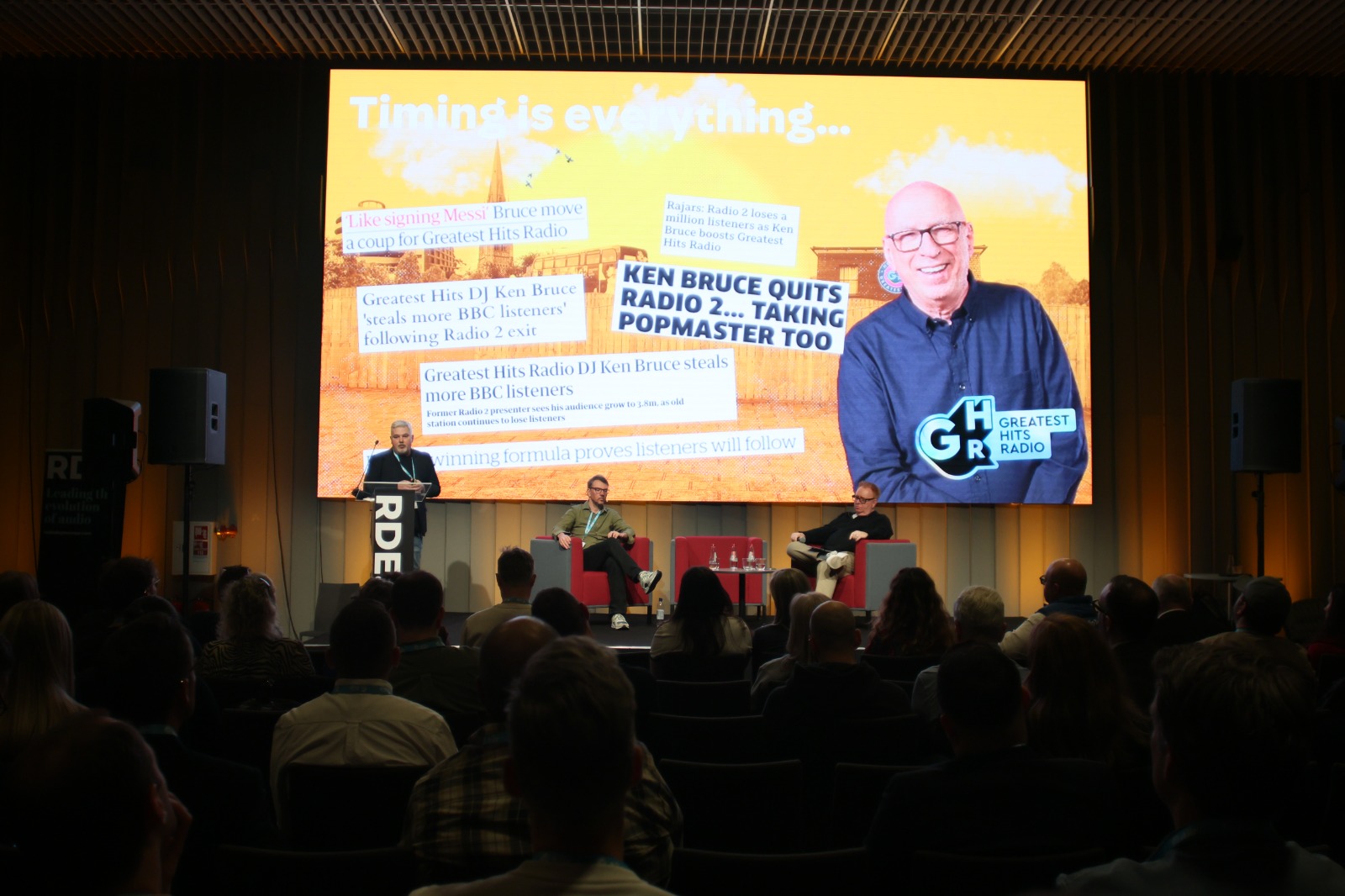
At Greatest Hits Radio, timing has been key to its growth. The arrival of Ken Bruce showed how powerful the right presenter can be in shaping a station’s identity and drawing in listeners.
The philosophy is simple. Stand for the artists, their music, and their legacy. That clarity builds trust, and trust builds loyalty. It is one of the reasons the format is performing so strongly right now.
Reaching a New Generation
One of the most interesting takeaways is the age of the audience. Around 500,000 listeners aged 15 to 24 are tuning in, proving that this is not just a format for older generations.
For younger listeners, music from the 70s, 80s, and 90s is not nostalgic. It is new.
To connect with this audience, Greatest Hits Radio is putting more focus on its digital strategy and tapping into trends like the return of vinyl. This helps bridge the gap between heritage music and modern culture, making the format feel relevant to Gen Z.
What Actually Works
What stood out most was the mindset behind successful stations. There is less focus on overplanning and more emphasis on instinct. Working in the moment, staying close to the audience, and not getting distracted by competitors all play a role.
There was also a strong reminder that great radio is a team effort. No matter how strong the brand or the music, success depends on the people behind it.
The Bigger Picture
The comeback of classic hits is not just about nostalgia. It is about understanding what audiences want today.
Strong music, clear identity, trusted voices, and a consistent experience.
Heritage formats are working again because they deliver all of that. And in a world full of endless choice, that reliability is exactly what listeners are coming back for.