To visualise or not to visualise? Rethinking Podcasts for a Video-First World
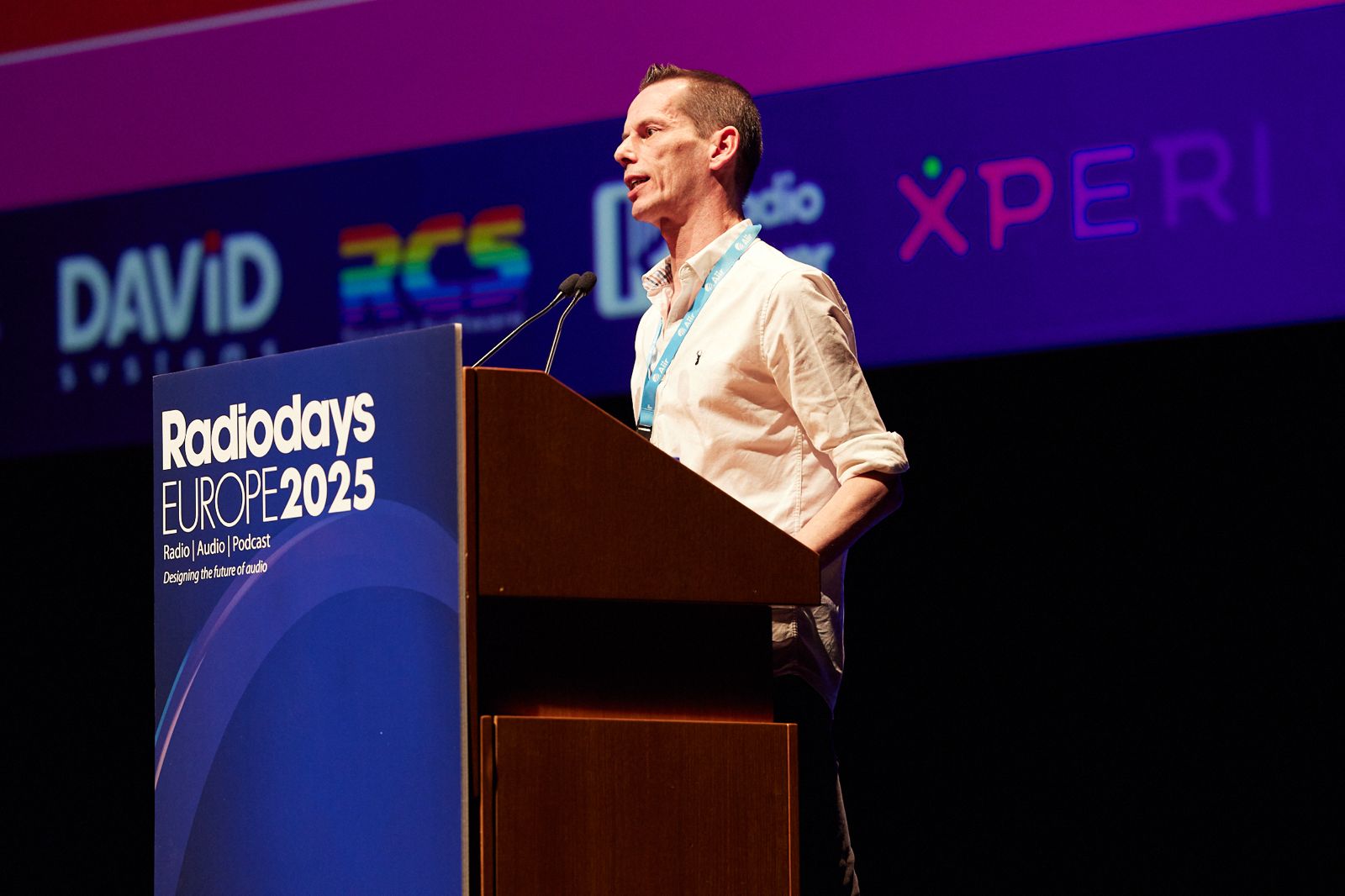
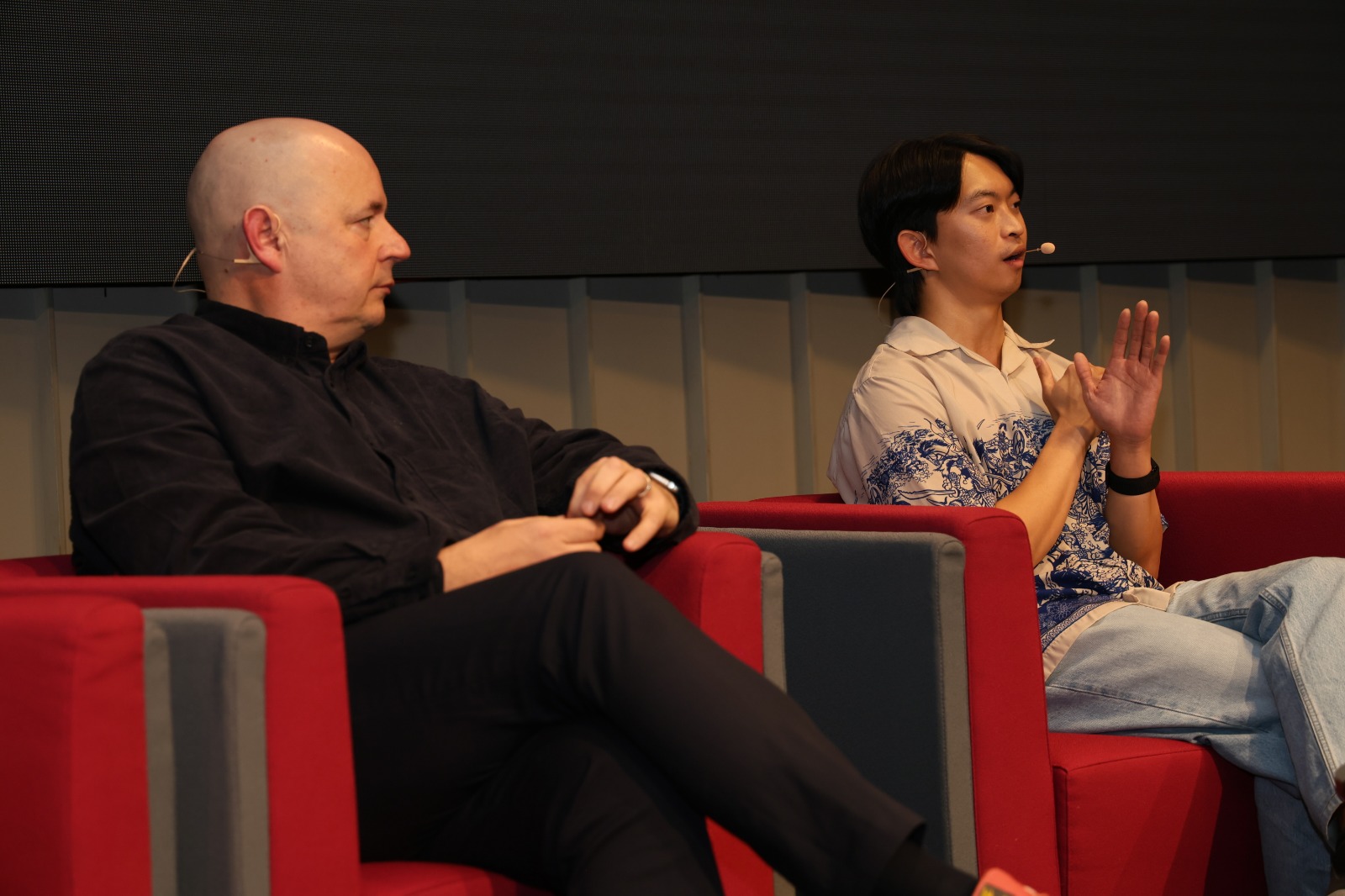
As audience habits evolve, one question is becoming increasingly central for media organisations: should every podcast be visualised? For the BBC, the answer is clear – not everything, but the right things. Guang Jin Yeo (1Up Media, Singapore) and Stevie Middleton (Commissioning Executive, BBC) try to explain how and when you should consider going visual.
Why Visualisation Matters
The shift in audience behaviour, particularly among people under 35, is impossible to ignore. A growing share of younger audiences now watch podcasts rather than just listen to them. In a world dominated by thumbnails, autoplay, and scrolling feeds, video has become the primary gateway to discovery.
This creates both a challenge and an opportunity. Audio remains powerful, but it lacks visibility in digital environments. Video bridges that gap. It captures attention, introduces personalities, and invites audiences into content they might not otherwise find.
Crucially, video doesn’t replace audio – it expands it. Evidence shows that video often reaches entirely new audiences, many of whom are unaware of the original podcast. Over time, some of these viewers transition into loyal audio listeners, strengthening overall engagement.
How to do it
1. Be selective, not exhaustive
Not every podcast needs a visual layer. The key is to identify formats that benefit most – personality-led shows, culturally relevant topics, or content with strong narrative hooks.
2. Design for multi-platform from the start
Successful projects begin with clear priorities across audio, video, and social. This means planning content that can live in multiple formats:
- Full-length audio episodes
- Mid-length video formats for platforms like YouTube
- Short, shareable clips for social media
This layered approach maximises reach while maintaining editorial coherence.
3. Build efficient, scalable workflows
Visualisation must be sustainable. For large-scale events – such as global sports tournaments as in example from BBC – this requires tightly coordinated production: remote recording, distributed editing, and fast turnaround times. The goal is to deliver high-quality content consistently, without overextending teams or budgets.
4. Use AI to enhance, not replace
AI is opening new possibilities in audio-to-video transformation, from generating visuals to accelerating production workflows. However, the most effective approach remains human-led. Starting and finishing with human input ensures editorial integrity, ethical alignment, and creative quality.
5. Focus on packaging and discoverability
In a video-first ecosystem, how content is presented is as important as the content itself. Strong visual identity, compelling thumbnails, and clear storytelling hooks are essential – particularly for formats like narrative audio, which may otherwise struggle to stand out.
So by putting everything together – visualisation is about meeting audiences where they are. By combining thoughtful selection, smart production workflows, and responsible use of technology, media brands can extend the life and reach of their audio content – turning great storytelling into a truly cross-platform experience.
And as Guang Jin Yeo concludes: in visual-first world best audio still wins – it just needs to show its face.