The Future of Radio: Why Human Connection Still Wins in a Changing Audio World
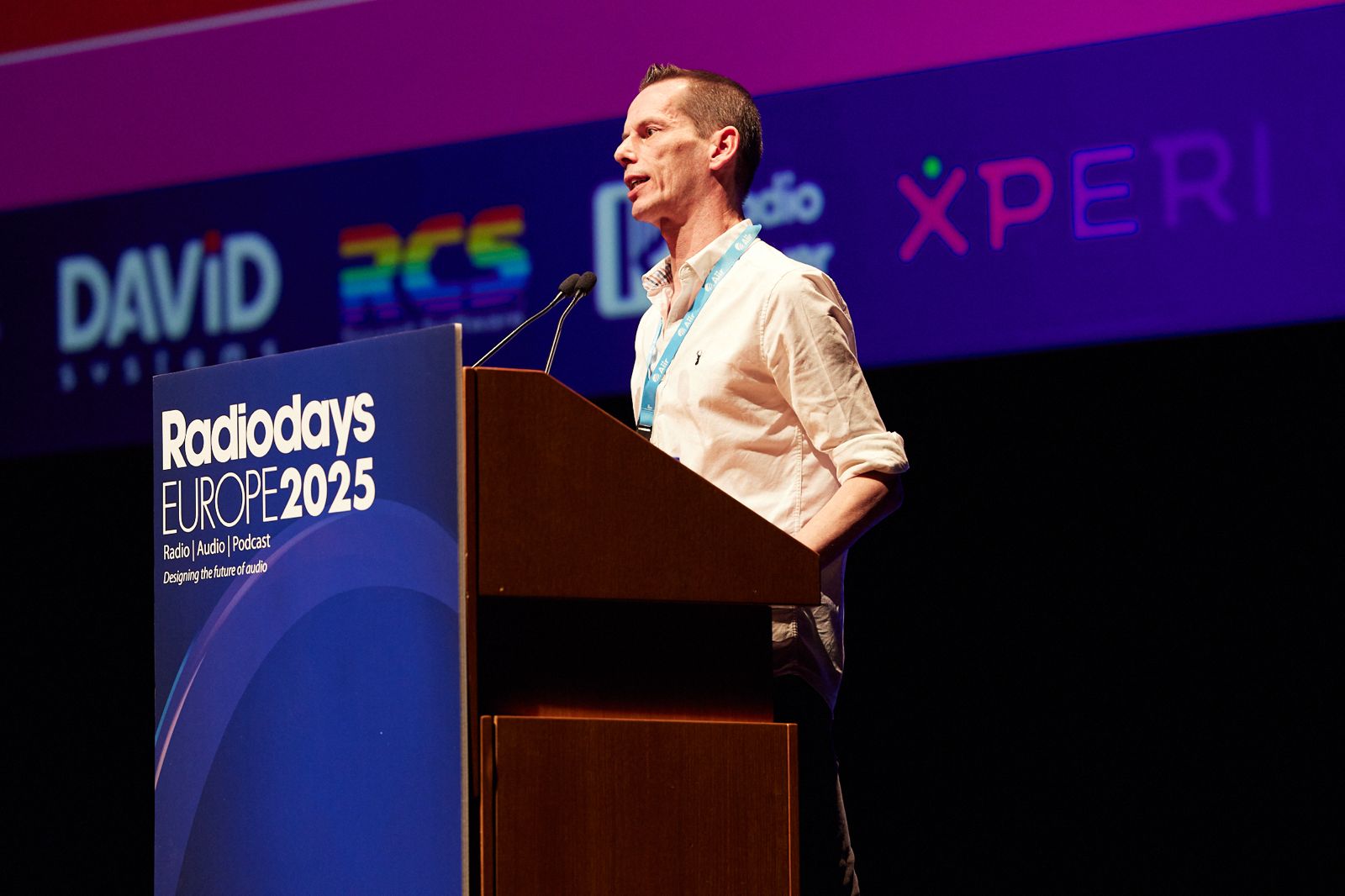
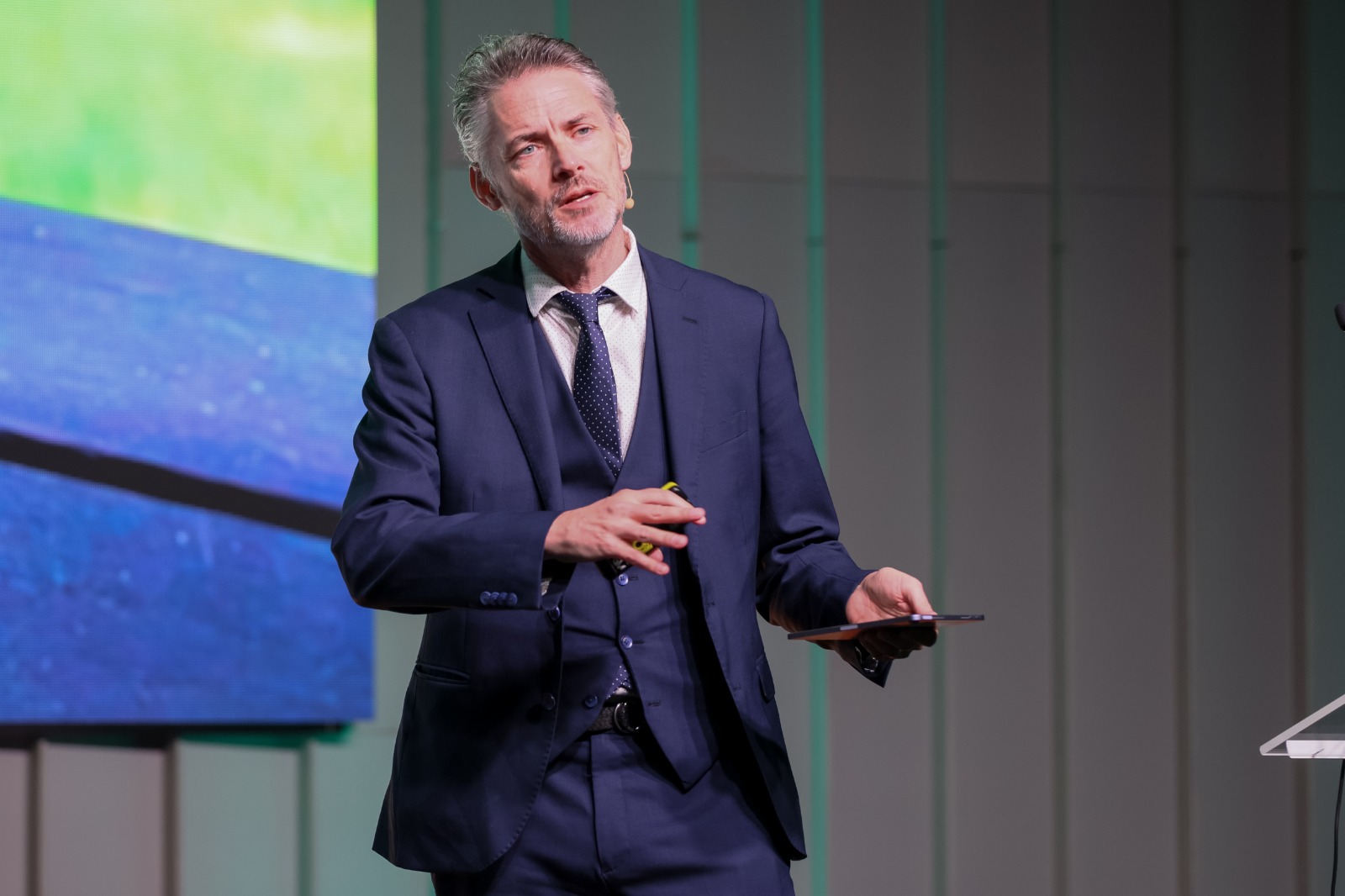
The way audiences consume audio is changing rapidly, but one message from this session was unmistakable – the future of radio is still bright. But as long as it stays rooted in human connection. Drawing on data from North America, Asia, Australia and Europe, Radio Futurologist James Cridland explored how listening habits are shifting, which devices matter most and what makes radio truly unique in an on‑demand world.
Radio still accounts for the majority of audio listening overall, yet its dominance drops sharply among younger audiences. For 15 to 24‑year‑olds, the smartphone is the primary audio device and radio ranks only third behind streaming and podcasts. As Cridland noted, the traditional broadcast network “is disappearing for younger audiences,” and that reality is changing the media future.
Device behaviour highlights the shift. Radios are used exclusively for radio and smart speakers still devote most of their listening time to radio content. But on mobile, the centre of young listeners’ audio live radio, is no longer the default. Daily listening patterns also diverge. Radio spikes at breakfast and school pickup times, while younger audiences turn on‑demand music and spoken‑word content throughout the day.
Long‑term UK data shows the same trend. Total radio listening hours have remained broadly stable for two decades, but the composition has changed – younger audiences listen less, while older audiences listen slightly more.
Insights from the US underline the rise of spoken word. Edison Research and NPR data show spoken‑word listening increasing across all age groups, especially on mobile. A major milestone has already occurred: podcasts have overtaken spoken‑word radio in popularity. During the pandemic listeners gravitated toward talk formats for human connection and shared experience. James quoted Eric Nuzum Make Noise – radio must think of itself not as a technology but as “audio experiences” that accompany listeners through life.
Historically, radio’s strengths – new music first, exclusive artist access, news and traffic have been replaced by Spotify, TikTok, Instagram and connected car systems. What remains is the one thing algorithms cannot replicate. That’s human connection, shared experience and a sense of belonging.
The session offered practical steps – lean more into spoken word, reuse and repurpose valuable content, spend more time outside the studio and respond more actively to listeners. Examples like Absolute Radio’s “Radio You,” Hamish & Andy’s community‑driven events and BBC Radio 1’s “Pass the Pasty” relay show how shared experiences can create unforgettable moments.
The conclusion was clear: the future of audio is people‑powered. Radio’s competitive advantage isn’t technology, it’s humanity over all.