Future of radio depends on blending analytics with human instinct
In the coming years you might see bumper stickers outside radio stations saying “Data is more important than God.” It was a playful setup for this session with a very serious point – radio and audio still have a lot to learn from data. In “The Perfect Mix: How Data Supercharges Radio Expertise” the BBC, DR and VRT MAX showed exactly how analytics can elevate creativity rather than replace it.
BBC case: Teaching algorithms what humans already know
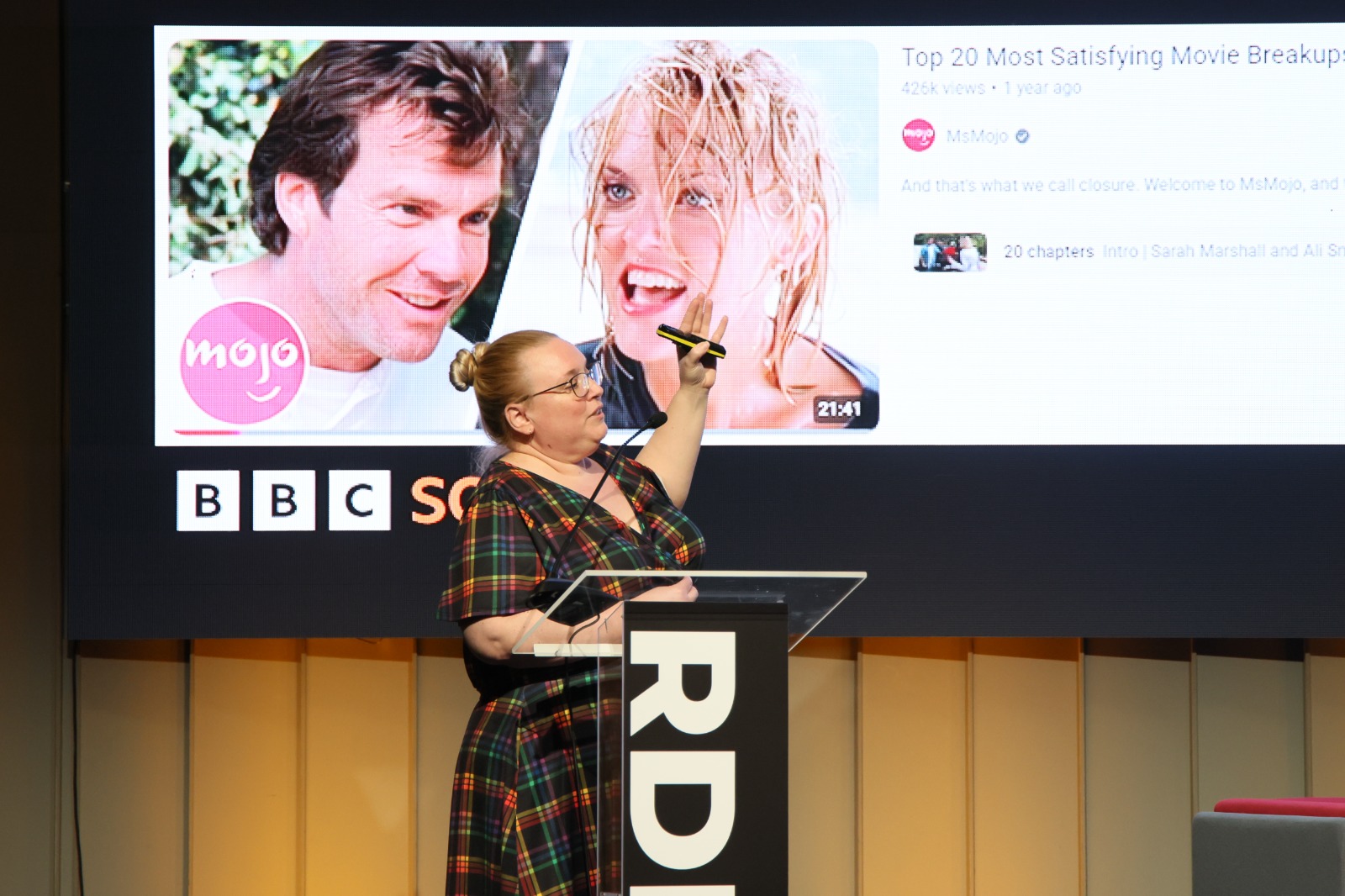
Emma Connelly from the BBC said that discovery has shifted from word‑of‑mouth to algorithmic feeds. And here is the sad truth, but most algorithms are painfully predictable. AI can read transcripts, but it cannot understand tone, emotion or editorial intent. She gave an example of how YouTube Shorts repeatedly serve her Chernobyl clips with the same scene – again and again illustrating how easily algorithms fall into boring loops.
Emma proposed richer metadata that captures what machines miss:
- Host relationships (best friends, married couples, rivals)
- Editorial perspective (insider vs outsider – like a K‑pop “tourist” vs a superfan)
- Ending types (resolved, unresolved, twist, circular, cliffhanger)
These elements shape satisfaction and retention, yet they’re invisible unless humans recognise them. Metadata must also evolve as with the BBC’s “Who Killed Emma?”, which shifted from unresolved to resolved once the real‑world case concluded.
Her main message: AI is not magic. It reflects the data we give it. Better metadata = better recommendations.
DR case: Understanding users through cross‑platform first‑party data
Mads Jørgensen showed how DR moved from anonymous, siloed products to a unified data foundation across TV, radio and news. With permission‑based logins DR can finally understand how people move across platforms and can help them find relevant public service content.
Using an RFM‑style “relationship model,” DR scores users by recency, frequency and volume of content consumed. This reveals patterns like “hibernating users” or “bingers”, helping DR decide when to re‑activate, when to build habits and when to broaden consumption.
Mads Jørgensen’s advice: start with collecting first‑party data, combine it and let humans interpret what it means.
VRT MAX case: Personalization with purpose – the “algitorial” model
Sven Larden took personalization to a strategic level. For VRT MAX personalization isn’t a feature, it’s how a public broadcaster builds trust. By unifying audio and video they avoid “dead ends” like radio apps in the evening or TV apps in the morning and can follow users throughout the day.
But personalization must follow a framework, not just an algorithm. VRT defines editorial “buckets” as they call their content “menu” and lets AI optimize within them. Sven calls this “algitorial” – algorithms guided by editorial judgment.
The impact is clear:
- +70% CTR on personalized live radio banners
- +18% live radio listening
- +5% podcast starts
Sven also sums with advice: don’t fear AI – just keep your bullshit detector on.