Have I Got Your Attention? Why Radio Needs to Rethink Marketing
Radio has a visibility problem.
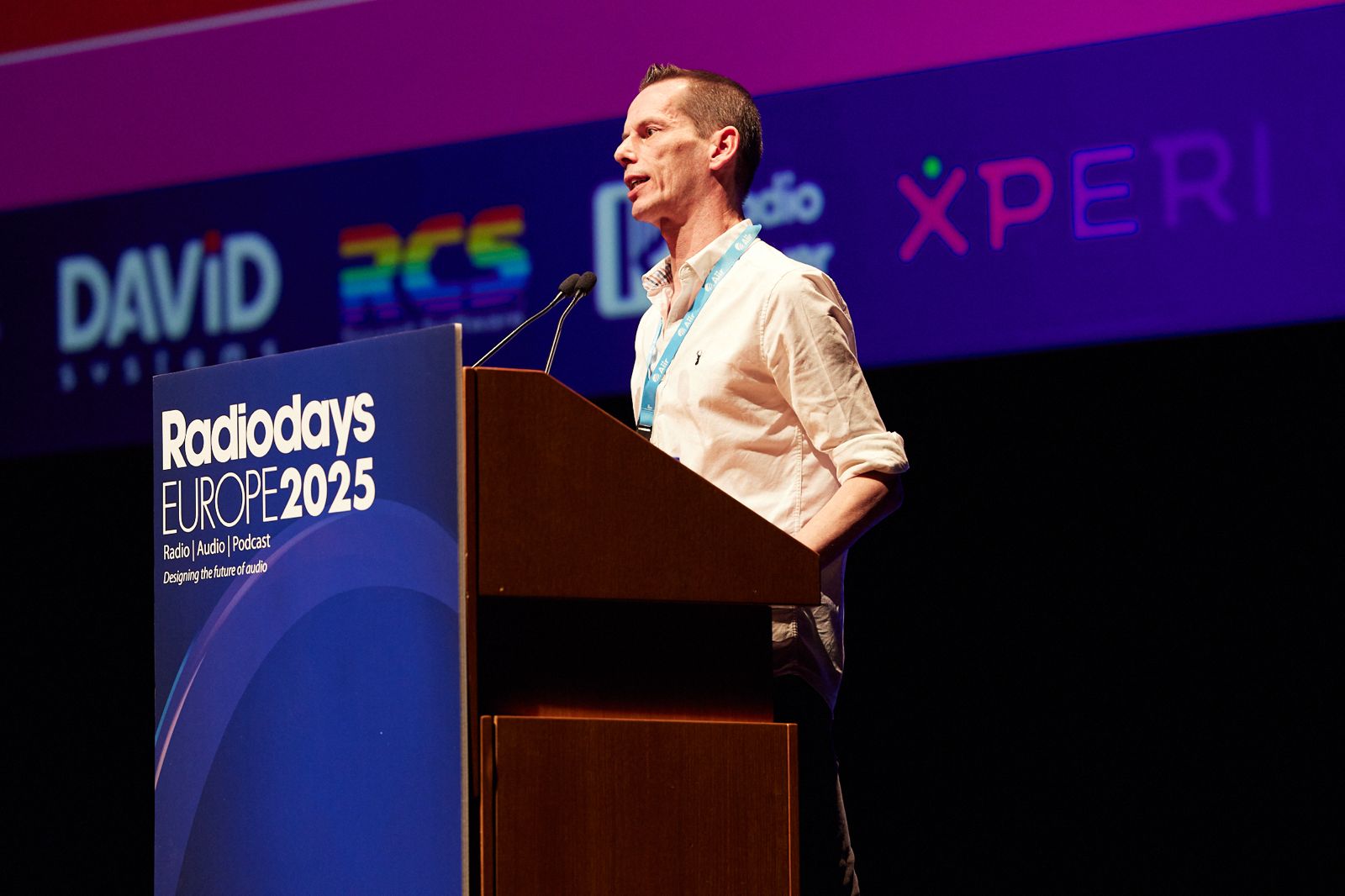
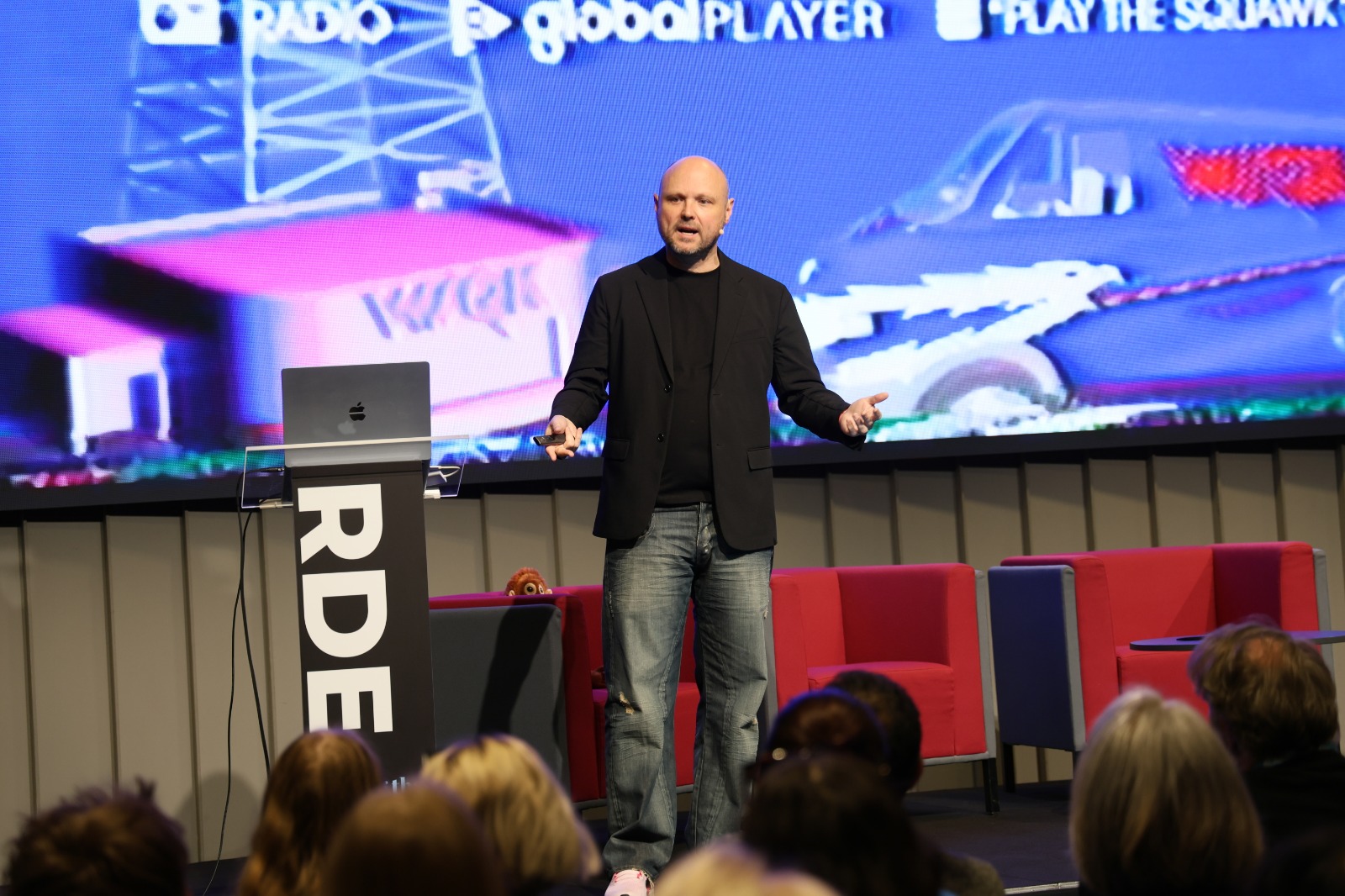
That was the starting point of this session, led by Wade Kingsley, The Creative Coach and Founder of Podtential. While paid marketing remains a core ingredient for successful brands, radio is falling behind. A lack of investment, combined with independent creators generating their own viral moments, means the industry is losing ground in the attention economy.
So how do you get attention and more importantly, how do you keep it?
Attention Is Earned
Kingsley’s message was clear. You do not always need big budgets to make an impact. Some of the most effective campaigns come from simple, creative ideas that earn attention rather than buy it.
He pointed to examples that cut through because they felt different. A global Stranger Things themed radio station, a Tour de France newspaper promotion, and even Ikea sending plush monkeys to a Zoo call. None of these relied on traditional advertising, but all of them created moments people wanted to talk about.
Closer to home, Greg James’ 1000 km cycling challenge showed the power of story. What started as a personal challenge became a national moment, raising 4 million pounds and even drawing in Prince William. It worked because people followed the journey, not because it was heavily branded.
Most marketing today follows a pattern, which makes it easy to ignore. The challenge is to break that pattern. Show up in unexpected places, join conversations in a different way, and give people something they did not see coming. It is not about being louder, it is about being noticeable.
There was also a clear push for radio to think more like creators. Move fast, take risks, and stop waiting for everything to be perfect. It is better to act quickly and be part of the moment than to miss it entirely. Not everything will work, but consistency matters more than perfection.
Storytelling sits at the centre of it all. Build the story first and resist the urge to push the brand too early. If something feels like an advert, people switch off. If it feels like a story, people lean in. Once you have attention, the brand follows.
The Reality
Attention is not something you win once. You have to keep earning it. Break ideas into smaller pieces, repeat what works, and accept that not everyone sees something the first time. If something lands, do it again.
Radio is no longer just competing with other stations. It is competing with creators, platforms, and anyone who can capture attention online.
The advantage radio still has is its ability to tell stories and create shared moments. But to stay relevant, it needs to apply those strengths in new ways.
Low budget does not mean low impact. The ideas that work are often simple. They break the pattern, move fast, and give people something worth talking about.